
Oral Health & Whole Body
What Causes Canker Sores?
Canker sores can come from irritation, acidic foods, stress, or nutrient gaps. Learn the common triggers, remedies, and when to see a dentist.
Canker sores are small, shallow ulcers that form inside the lips, cheeks, or on the tongue. They aren't dangerous, but they can make eating, talking, and brushing uncomfortable for a week or two while they heal. Most canker sores are triggered by something identifiable — tissue irritation, certain foods, stress, or a temporary nutrient gap.
Unlike cold sores, canker sores aren't caused by a virus and aren't contagious. They occur inside the mouth rather than on the lips, and they usually resolve on their own within one to two weeks. Understanding what tends to trigger them makes it easier to reduce how often they show up.
This guide walks through the most common causes, simple remedies that can ease discomfort while a sore heals, and when it's worth having a dentist take a look.
Common Canker Sore Triggers
There isn't one single cause of canker sores — they tend to result from a combination of factors. The most frequently reported triggers include:
- Dental and orthodontic appliances. Braces, retainers, and ill-fitting dentures can rub against the inside of the cheeks or lips, creating small irritated spots that develop into sores.
- Acidic or abrasive foods. Citrus fruits, pineapple, tomatoes, and sour candies can irritate the delicate tissue lining the mouth in people who are prone to canker sores.
- Tissue injury. Accidentally biting your cheek or lip, or a scrape from a toothbrush or sharp food, can turn into a sore, especially if the area keeps getting bumped while it's healing.
- Stress. Periods of high stress are commonly associated with more frequent canker sores, likely tied to how stress affects the immune system.
- Nutrient gaps. Low levels of certain vitamins and minerals — including B12, iron, and folate — have been linked to more frequent outbreaks.
- Hormonal changes. Some people notice a pattern between canker sores and hormonal shifts, such as around the menstrual cycle.
- Certain toothpaste ingredients. Sodium lauryl sulfate (SLS), a foaming agent in many toothpastes, appears to trigger sores in some people.
Canker Sores vs. Cold Sores
These two are frequently confused, but they're different conditions. Canker sores form inside the mouth — on the inner cheek, inner lip, tongue, or soft palate — and are not caused by a virus. Cold sores, by contrast, form on or around the outer lips, are caused by the herpes simplex virus, and are contagious. If you're not sure which one you're dealing with, that's a reasonable question to bring to a dental visit.
Simple Remedies While a Sore Heals
Most canker sores heal on their own, but a few habits can ease discomfort in the meantime:
- Switch to a soft-bristled toothbrush to minimize further irritation to the area.
- Try a toothpaste free of sodium lauryl sulfate if you notice a pattern with your usual brand.
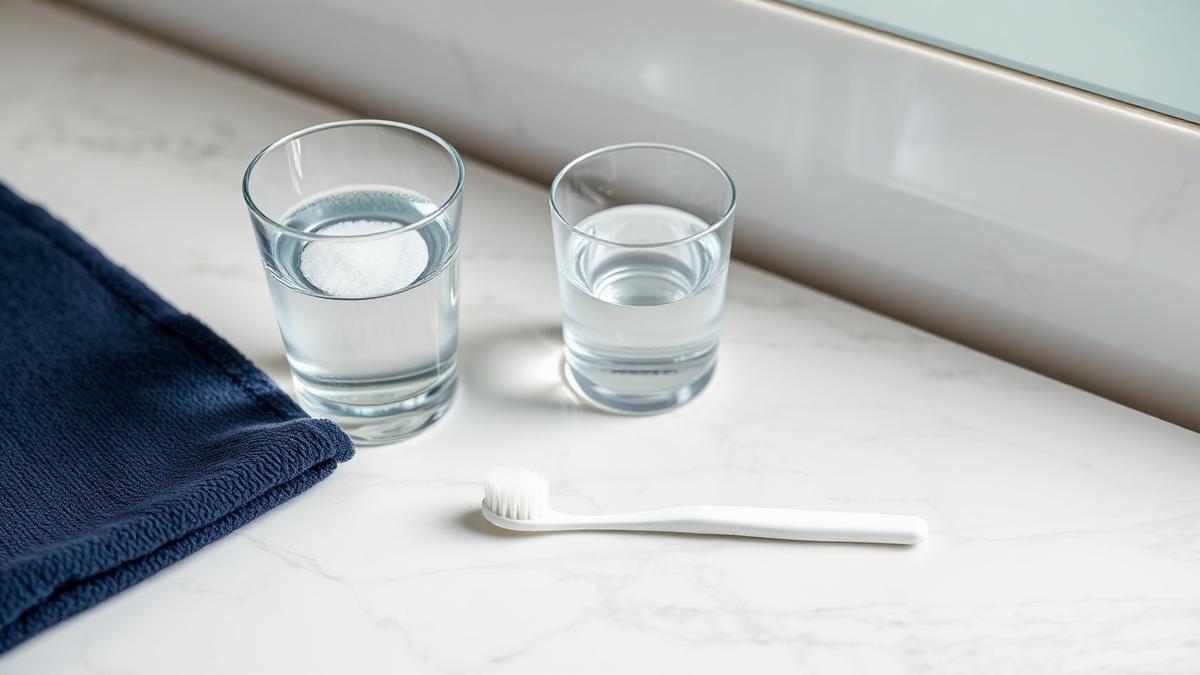
- Rinse gently with warm salt water a few times a day to reduce inflammation (swish and spit — don't swallow).
- Avoid highly acidic, spicy, or rough-textured foods until the sore heals.
- Use an over-the-counter topical gel or oral pain reliever if the discomfort is interfering with eating or talking.
Reducing How Often They Happen
If you're prone to canker sores, paying attention to your own pattern of triggers is the most useful thing you can do. Some people notice a clear link to certain foods, a stressful stretch, or a rough edge on a retainer; others don't find an obvious cause. Keeping up with daily brushing and flossing, staying hydrated, and eating a varied diet with enough B12, iron, and folate — found in foods like leafy greens, eggs, and salmon — are reasonable general steps.
If a denture, retainer, or aligner keeps causing the same spot to break down, that's worth having adjusted rather than working around indefinitely. An ill-fitting appliance that repeatedly irritates the same tissue won't resolve on its own.
When to See a Dentist
Occasional, short-lived canker sores usually don't need treatment beyond home care. It's worth scheduling a visit if you notice any of the following:
A dentist can also help rule out other causes of mouth sores and confirm whether what you're dealing with is a typical canker sore.
Have Questions About a Mouth Sore?
If you're in the Washington, DC area and dealing with recurring or unusually persistent canker sores, our team can take a look during a routine visit or a dedicated appointment. Book a consultation or ask about it at your next dental cleaning — it never hurts to get a second opinion on an oral health concern.
Questions
Frequently asked questions
Talk it through with our team
Have a question this article did not answer? Our Washington, DC team is happy to help — call (202) 363-2810 or book online.
4444 Connecticut Ave NW #106, Washington, DC 20008