
Cosmetic Dentistry
Dental Bonding in Washington, DC
Dental bonding is the fast, affordable way to correct minor cosmetic problems — chips, small gaps, and surface discoloration — usually in a single visit.

Google Rating
4.9 · 303 reviews
Availability
Same-day consults
Payments
Financing available
Definition
What Is Dental Bonding?
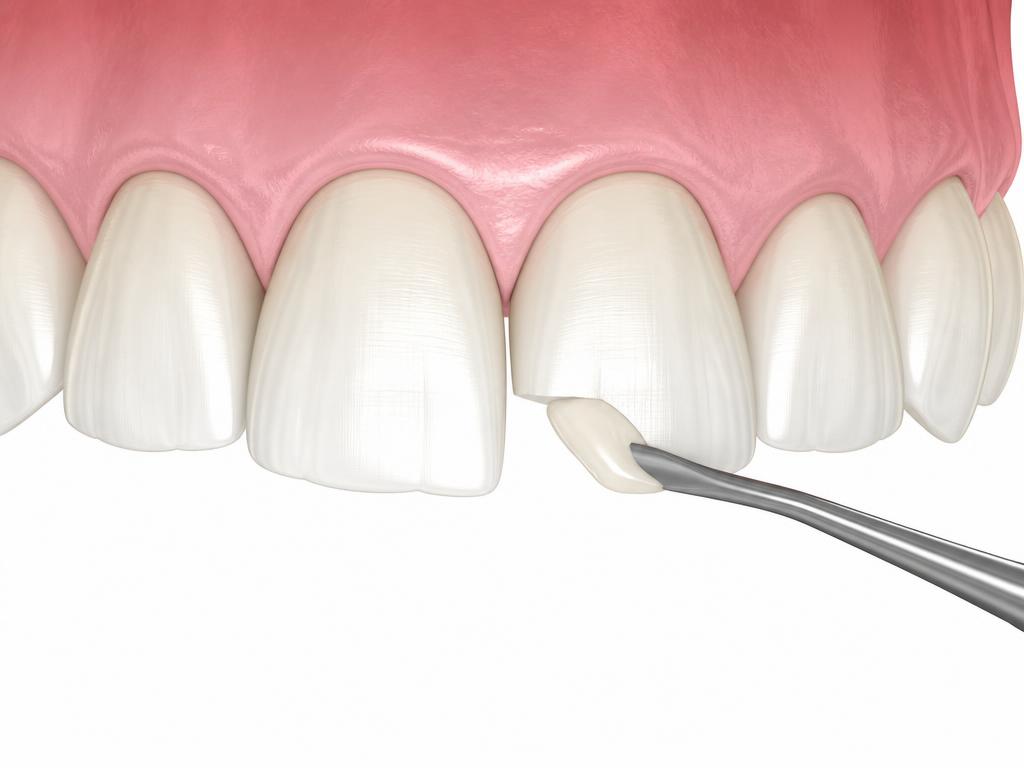
Dental bonding is a tooth-colored composite resin applied directly to the tooth, shaped by hand, and hardened with a curing light. It is then polished so it blends with the surrounding teeth — repairing a chip, gap, or stain in one appointment.
Because the resin is added to the tooth rather than replacing it, most bonding needs little or no enamel removal and no anesthetic. That makes it the most conservative of the cosmetic options, and the reason bonding is often the first thing we consider for a small, isolated problem.
What bonding corrects
- Chipped or slightly worn edges on front teeth
- Small gaps and spacing between teeth
- Isolated discoloration that whitening cannot lift
- Minor reshaping of a tooth that is short, narrow, or uneven
- Exposed root surfaces where the gum has receded
Bonding is best at small, isolated fixes. When several teeth need shape, shade, and spacing changed together, we compare it honestly against porcelain veneers and a full smile makeover before starting.
At a glance
Dental Bonding
- Procedure length
- Typically 30–60 minutes per tooth
- Anesthesia
- Usually none needed
- Results
- Immediate — visible the same visit
- Lifespan
- Typically several years with good care
or call (202) 363-2810
Real Case
A Real Bonding Result From Our Office
Drag the handle to compare. This is an actual patient treated in our Washington, DC office — no stock photography, no touch-ups.
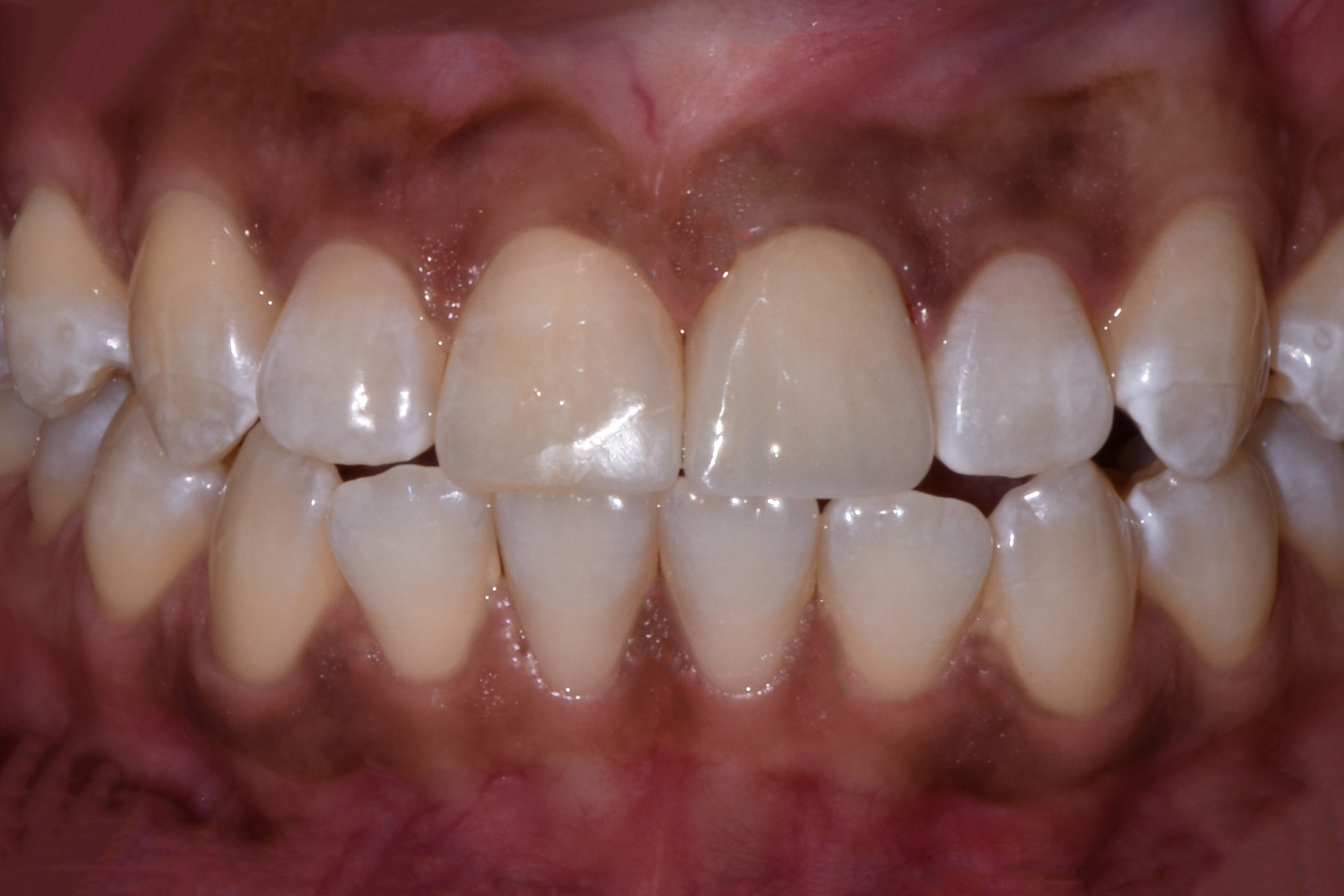
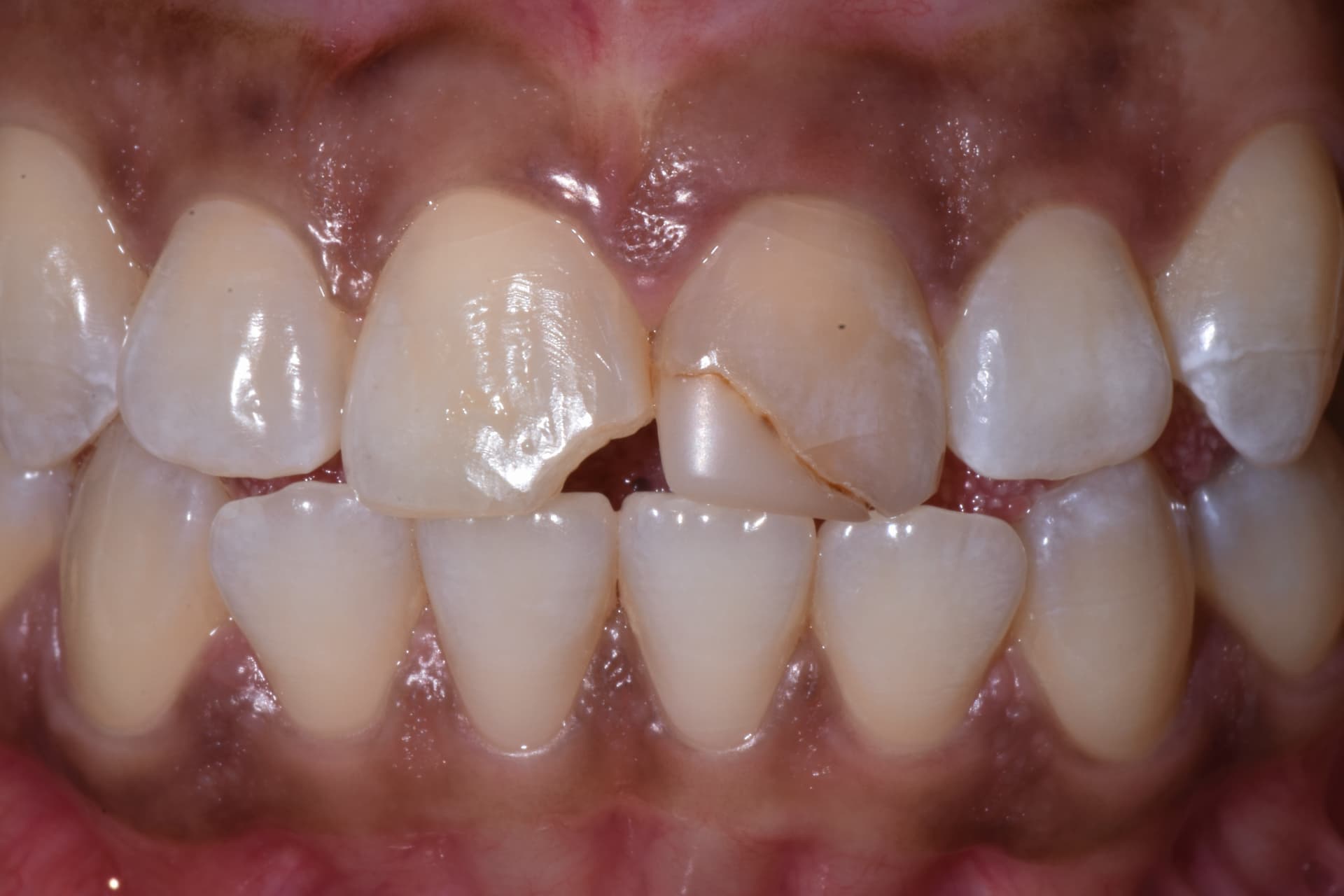
Chipped and worn front teeth, rebuilt in one visit
This patient arrived with a visible fracture across one upper central incisor and worn edges on the neighboring front teeth. Dr. Shukoor rebuilt the missing corner and re-established an even smile line with hand-layered composite bonding — no drilling of healthy enamel, no lab work, and no temporary restorations.
Each layer was shade-matched to the surrounding enamel and polished in the same appointment, so the patient left with the finished result the day they walked in.
Compare
Bonding vs. Veneers vs. Whitening
Bonding is the fastest and most affordable of the three, and it is built for small, isolated fixes rather than a full smile transformation.
Dental Bonding
Tooth-colored composite resin sculpted directly onto the tooth, shaped and cured in one appointment.
- Lowest cost of the three cosmetic options
- Usually finished in a single visit, often with no anesthetic
- Often needs little or no enamel removal
- Composite stains over time and can chip
- Shortest lifespan — a refresh is expected in a few years
Porcelain Veneers
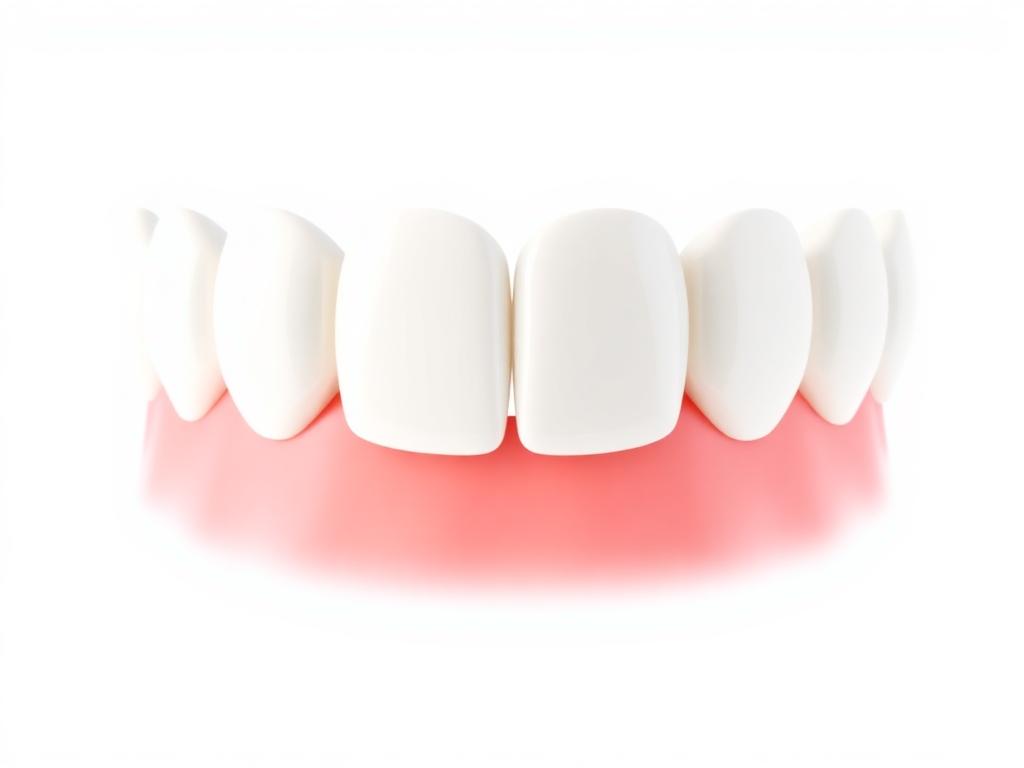
Custom ceramic shells — see our porcelain veneers page — that redesign shape, shade, and spacing together.
- Most durable and stain-resistant of the three
- Best choice for a full, dramatic smile change
- Highest cost tier of the three options
- Permanent: a thin layer of enamel is removed first
- Takes multiple visits and lab time
Teeth Whitening
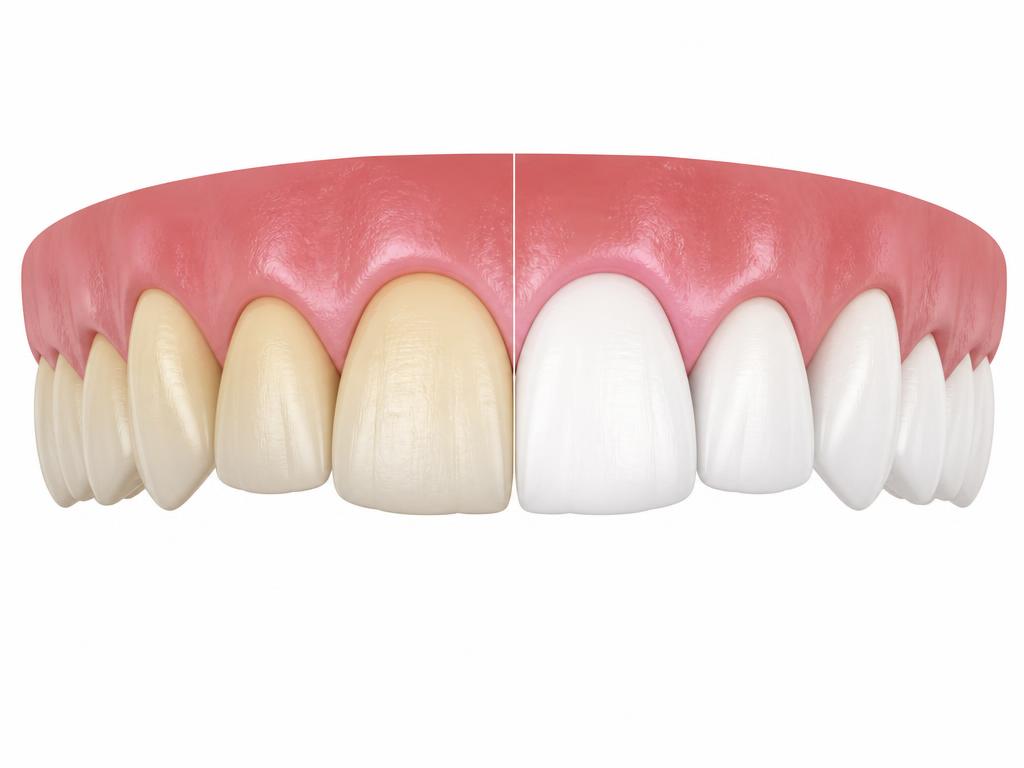
Professional teeth whitening lightens natural enamel without changing tooth shape at all.
- Nothing is removed — the tooth is left fully intact
- Fastest and least expensive way to change color
- Only changes color — no help for chips or gaps
- Results fade and need periodic touch-ups
- Does not lighten existing bonding, crowns, or fillings
Whitening only addresses color — it cannot change shape or close a gap. Veneers offer more durability and a more dramatic change at a higher cost. Bonding sits between them: quick, conservative, and ideal for one or two teeth.
The Process
The Dental Bonding Process
Every stage happens in one appointment in our Washington, DC office — you see the finished result before you leave the chair.
Consultation & Shade Matching
Step 1
We look at the tooth, confirm bonding is the right fit, and select a composite shade against your surrounding teeth in natural light so the repair disappears into the smile.
Light Surface Preparation
Step 2
The surface is cleaned and lightly etched so the resin grips. In most cases no drilling and no anesthetic are needed — the natural tooth is left intact.
Applying and Shaping the Resin
Step 3
Dr. Kambez Shukoor places the composite in thin layers and sculpts the edge, contour, and surface texture by hand until the tooth matches its neighbors.
Curing with Light
Step 4
A curing light hardens each layer in seconds. Once the final layer is set, the bonded material is as immediately functional as the rest of the tooth.
Final Polishing
Step 5
The bite is checked and the bonding is smoothed and polished to an enamel-like shine, so it reflects light the same way the teeth around it do.
Candidacy
Are You a Candidate for Dental Bonding?
Bonding works best on healthy teeth with small, isolated cosmetic concerns. The deciding factors are how much tooth structure is intact and how much change you actually want.
What makes a good candidate
- 1Minor chips on otherwise healthy front teeth
- 2Small gaps between teeth you would like closed
- 3Slight discoloration that has not responded to whitening
- 4Minor reshaping of a short, narrow, or uneven tooth
- 5Healthy gums with no active decay at the treatment site
When something else fits better
Composite adds appearance, not strength. A tooth with significant structural damage needs full coverage with a dental crown rather than a surface repair.
If you want a full smile transformation across the teeth that show, porcelain veneers or a planned smile makeover holds its result far longer than composite.
All three alternatives below are handled in-house by Dr. Kambez Shukoor.
Dental Crowns
Teeth with significant structural damage, large fillings, or root canal treatment need full coverage for strength rather than a surface repair.
Dental CrownsPorcelain Veneers
When several front teeth need shape, shade, and spacing changed at once, custom porcelain holds its result far longer than composite.
Porcelain VeneersSmile Makeover
A full smile transformation combining color, shape, alignment, and gum contour is planned as one sequenced case rather than tooth by tooth.
Smile MakeoverAftercare
Caring for Bonded Teeth
The first 48 hours
There is no recovery period after bonding — you eat and go back to work the same day. The only real caution is stain: fresh composite takes up color more easily in the first couple of days.
- Avoid coffee, tea, red wine, and tobacco for the first 48 hours
- Skip deeply pigmented foods such as berries and tomato sauce at first
- Mild sensitivity to hot and cold for a day or two is normal
- Call us if the bite feels high — it is a quick polish to adjust
Long-term care
- Brush twice daily and floss normally — bonded teeth need no special tools
- Keep six-month professional cleanings so surface stain is polished off before it sets in
- Avoid biting hard objects such as ice, pens, or fingernails — composite chips under point loads
- Wear a nightguard if you grind or clench, which is the biggest factor in how long bonding lasts
| Timeframe | What to expect |
|---|---|
| Same day | Eat and work normally; the result is already final |
| First 48 hours | Avoid staining foods, drinks, and tobacco |
| First week | Any mild sensitivity settles completely |
| Ongoing | Normal brushing and flossing, six-month cleanings, nightguard if you grind |
Investment
What Does Dental Bonding Cost in Washington, DC?
We do not publish a single price, because bonding is quoted per tooth and the work involved varies with how much reshaping each tooth needs. Here is what moves the number.
Number of teeth treated
- Bonding is quoted per tooth, not as a flat package
- A single chipped tooth is the least expensive cosmetic treatment we offer
- Treating several teeth in one visit adds time, not extra appointments
Extent of reshaping
- A small edge repair takes far less chair time than rebuilding a contour
- Closing a gap means building both adjacent teeth to match
- Multi-shade layering for a natural blend adds artistry and time
Your written quote
- Every fee is confirmed in writing before treatment starts
- Insurance is coordinated where a repair qualifies as restorative
- CareCredit and Cherry financing available for larger cases
At your consultation you receive an itemized written quote covering every tooth treated — no surprise line items later. Monthly payment options are explained on our financial information page, including CareCredit and Cherry financing.
Why Choose
DC Implant & Cosmetic Dentistry
Dr. Kambez Shukoor is a U.S. Navy veteran dentist who shapes and polishes every bonded tooth himself, in one Connecticut Avenue office.
Design & Placement in One Office
Dr. Kambez Shukoor shapes and polishes every bonded tooth himself, so nothing is lost between the person planning the repair and the person doing it.
Cosmetic & Restorative Training
FAGD and fellowship-level training across cosmetic and restorative dentistry, with continuing education focused on esthetic case planning.
Shade Matching That Holds Up
Composite is selected against your own teeth and layered rather than placed in one block, so the repair reads as tooth instead of as dental work.
Comfort-First Care
Most bonding needs no anesthetic at all, and anesthetic or sedation is still available for patients who are anxious in the chair.
Transparent Costs
Written treatment plans with per-tooth fees, insurance coordination where it applies, and financing through CareCredit and Cherry.
FAQ
Dental Bonding Questions
The questions Washington, DC patients ask most often before booking bonding.
Related
Cosmetic Dentistry Services
Bonding is the quickest cosmetic fix. These pages cover the rest of our cosmetic care.
Porcelain Veneers
Custom ceramic shells for a longer-lasting, more dramatic change across the smile line.
Porcelain VeneersTeeth Whitening
Professional whitening when color is the only thing you want to change.
Teeth WhiteningDental Crowns
Full-coverage restorations for teeth that need strength as well as appearance.
Dental CrownsSmile Makeover
A combined plan when several treatments work together on one smile.
Smile Makeover