Periodontal Therapy
Laser disinfection of periodontal pockets alongside scaling and root planing, targeting bacteria below the gumline.
Explore Periodontal Therapy4444 Connecticut Ave NW #106 · Washington, DC

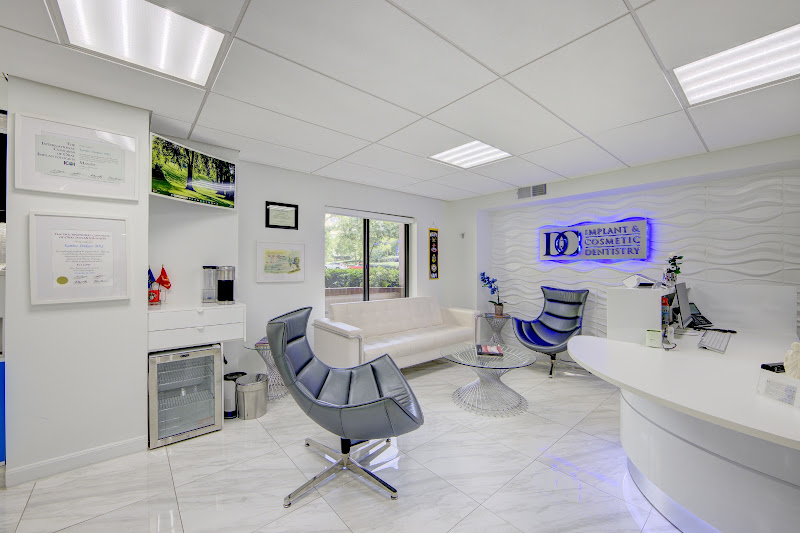
General Dentistry
Precise, minimally invasive laser technology used across several treatments — gum contouring, periodontal therapy, and soft-tissue care — to reduce discomfort and speed healing.

Google Rating
4.9 · 303 reviews
Availability
Same-day consults
Payments
Financing available
The Technology
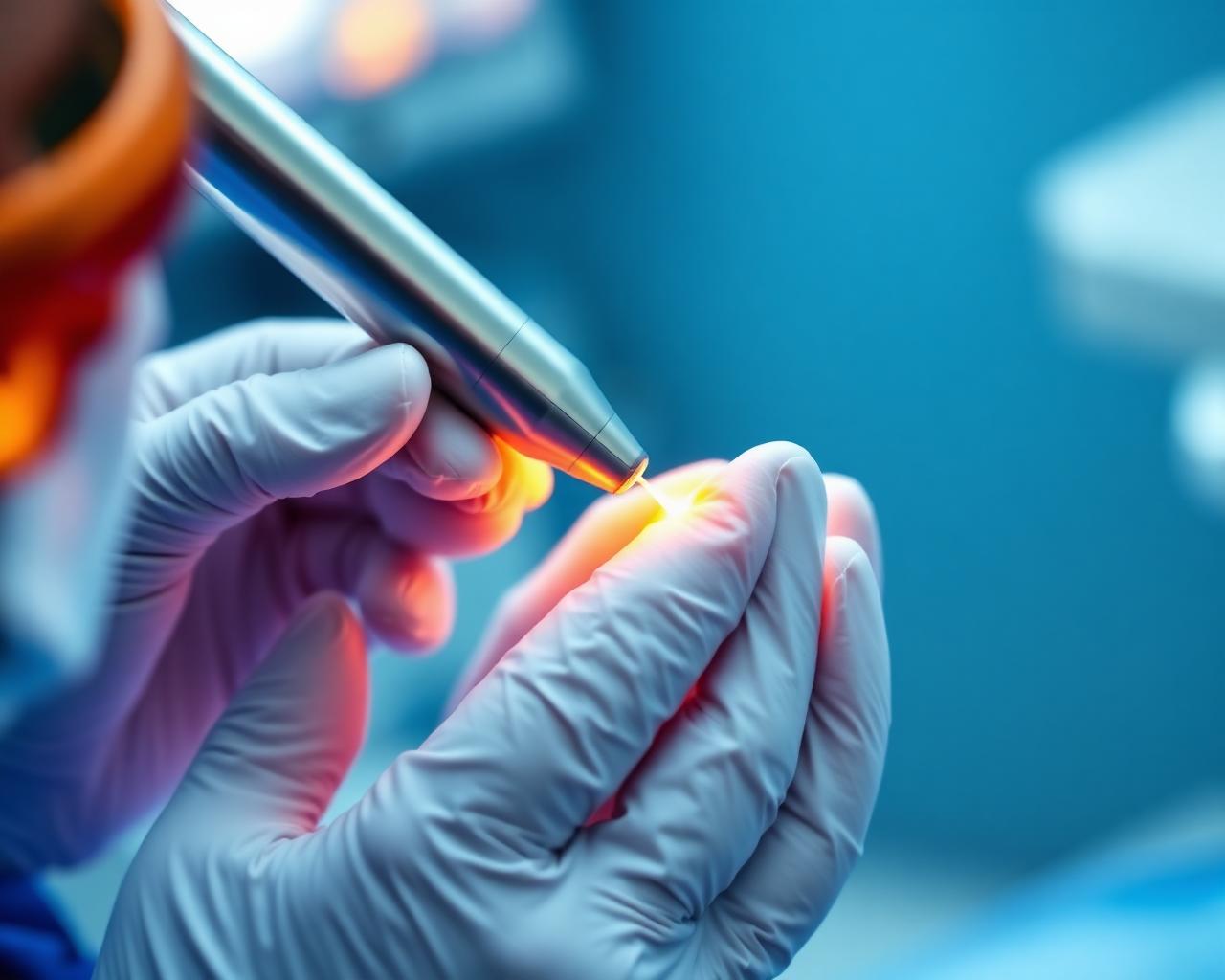
Laser dentistry uses focused light energy, rather than a blade, to treat tissue in the mouth with more control and less trauma than traditional instruments. Because the laser works in a very small area and seals small blood vessels as it goes, soft-tissue procedures typically involve less bleeding, less need for anesthetic, and a faster, more comfortable recovery.
You do not book laser dentistry the way you book a cleaning or a filling. It is a tool used inside other procedures, and whether it applies to your treatment is something Dr. Kambez Shukoor will confirm at your consultation.
At a glance
Laser Dentistry
or call (202) 363-2810
Compare
A fair comparison rather than a sales pitch: the laser has clear advantages for soft-tissue work, and traditional instruments remain the right choice for much of what happens in a dental chair.
Focused light energy treats soft tissue with a narrow, controlled working area, sealing small blood vessels as it works.
Scalpels, blades, and rotary handpieces remain the right tool for a great deal of dentistry, and are used here whenever they give the better result.
Where laser therapy most often changes the experience is in gum treatment — background on the condition itself is on our periodontal disease page and in the ADA’s MouthHealthy guide to gum disease.
Applications
Laser treatment shows up inside other procedures rather than as a treatment of its own. These are the areas where we use it, grouped by what the treatment is actually for.
Gum & Soft Tissue
Most of our laser work is soft-tissue treatment — recontouring gum tissue, disinfecting periodontal pockets, and releasing tight frenum attachments, all with less bleeding than a blade.
Laser disinfection of periodontal pockets alongside scaling and root planing, targeting bacteria below the gumline.
Explore Periodontal TherapyReshaping an uneven or low gumline so the teeth show in better proportion — often a step within a wider cosmetic plan.
Explore Gum Contouring for a Gummy SmileUsed selectively at maintenance visits where inflamed tissue and deep pocketing need more than instrumentation alone.
Explore Support for Hygiene VisitsComfort & Restorative
Laser treatment also has a role in day-to-day comfort care and in preparing tissue around restorative work. Which applies to you depends on the treatment you actually need.
Where gum tissue overlaps a cavity near the gumline, the laser can clear the field so the filling can be placed and sealed properly.
Explore Tissue Management Around FillingsRefining the gum margin so a crown or veneer meets the tissue cleanly and the finished restoration looks natural.
Explore Tissue Shaping Before Crown WorkBrief laser treatment of recurring cold sores and ulcers, usually arranged around a routine exam visit.
Explore Cold Sore & Canker Sore ReliefCandidacy
The real question is not whether you are a candidate for a laser — it is whether the treatment you need happens to be one where laser technology applies.
None of that makes the treatment worse — it simply means the instrument that suits the job is a different one. We will say which applies before treatment is planned.
The condition laser therapy most often supports here — pocketing, bleeding gums, and the treatment that follows.
Periodontal DiseaseDecay treatment, and where soft-tissue laser work occasionally makes a gumline filling possible in one visit.
Dental FillingsWhere gum recontouring fits into a broader cosmetic plan across several teeth.
Smile MakeoverAfterwards
There is no separate laser recovery to plan around. What you experience afterwards depends on which underlying treatment was performed — gum therapy, a filling, or cosmetic contouring each have their own timeline, and those are set out on the pages for those treatments.
What the laser tends to change is the quality of that recovery. Laser-assisted soft-tissue sites usually bleed less, swell less, and settle sooner than the same procedure done with a blade, and sutures are often not needed at all.
Most patients return to normal activity the same day. Call us if bleeding, swelling, or discomfort persists beyond a few days rather than waiting for your next visit.
Investment
Your fee follows the procedure being performed, not the instrument used to perform it. Three things shape the number you are quoted.
We do not publish a flat price. Your benefits are verified before the appointment and any out-of-pocket amount is confirmed first — payment options and financing are set out on our financial information page.
Why Choose
Modern technology used with judgement rather than for its own sake, by Dr. Kambez Shukoor and our team in one Connecticut Avenue office.
We use the laser for the soft-tissue work it suits and traditional instruments everywhere else. The tool is chosen for the result, not to justify the technology.
Gum treatment, restorative work, and implant care are all performed here, so laser-assisted steps sit inside one plan rather than being split across a periodontal referral elsewhere.
FAGD, FICOI, and MICOI credentials across restorative and surgical dentistry inform when Dr. Kambez Shukoor reaches for the laser and when a conventional approach is the better call.
Less bleeding and often less anesthetic makes soft-tissue work easier to sit through. Where more support helps, our anesthesia and sedation options are available.
Laser dentistry is a real advantage for certain procedures and irrelevant to others. We will tell you plainly which category your treatment falls into before you agree to anything.
Coverage follows the underlying procedure rather than the instrument used. We verify your benefits in advance and explain anything not covered on our financial information page.
FAQ
The questions Washington, DC patients ask most often about laser treatment and how it fits into their care.
Related
The procedures laser technology most often supports, with the full detail on each.
Treating a cavity before it needs a crown or root canal, with composite matched to your tooth.
Dental FillingsRoutine and deep cleanings — the preventive care that keeps gum treatment from being needed at all.
Dental CleaningsCombined cosmetic planning where gum contouring, veneers, and whitening are considered together.
Smile MakeoverBook a consultation and we will tell you plainly whether the treatment you need is one where the laser helps — and what it changes if it does.
4444 Connecticut Ave NW #106, Washington, DC 20008