
4444 Connecticut Ave NW #106 · Washington, DC

(202) 363-2810
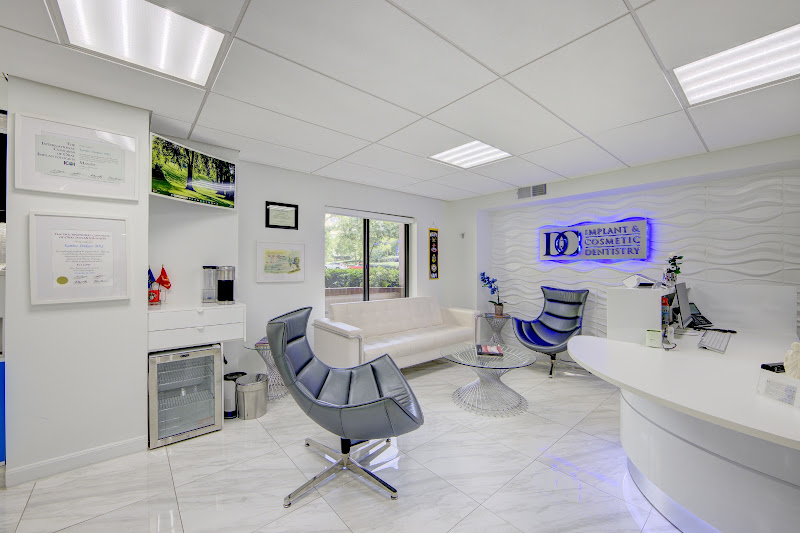
Reception area at DC Implant & Cosmetic Dentistry in Washington, DC

Implants & Oral Surgery

Single Tooth Dental Implants in Washington, DC

Dr. Kambez Shukoor places and restores single tooth implants in one Connecticut Avenue office — one surgeon, one plan, and a crown shade-matched to the teeth beside it.

Google reviews rating for DC Implant & Cosmetic Dentistry in Washington, DC

Google Rating

4.9 · 303 reviews

Availability

Same-day consults

Payments

Financing available

Definition

What Is a Single Tooth Dental Implant?

A single tooth dental implant is a small titanium post surgically placed into the jawbone to replace the root of one missing tooth, topped with a custom ceramic crown. It restores one tooth completely on its own, without altering the healthy teeth on either side of the gap.

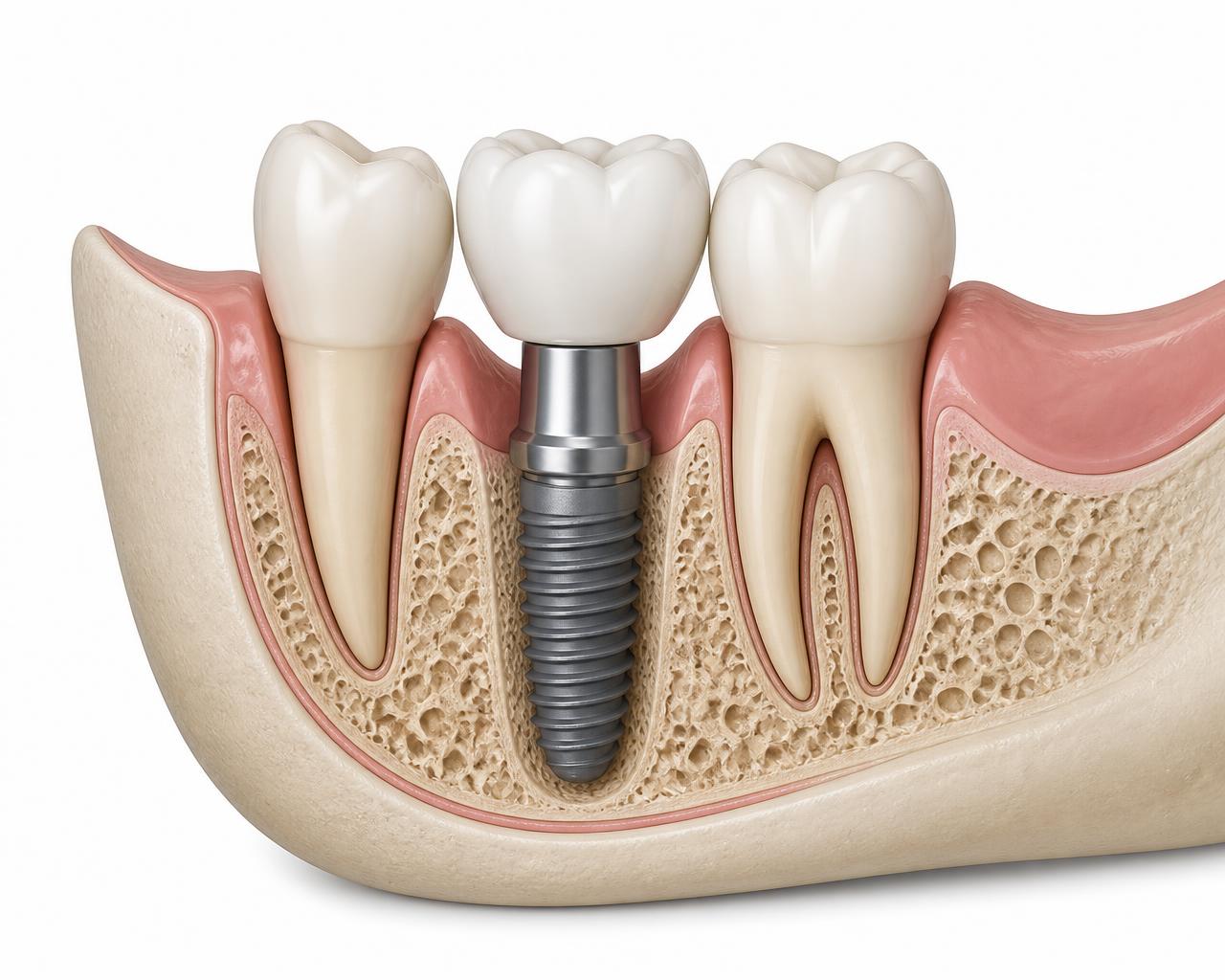
The implant is made of three parts. The post fuses to your bone over several months — a biological process called osseointegration. An abutment connects that post to the visible restoration. The crown is the tooth you see and chew with, shaped and shaded to match your natural teeth.

What makes an implant different

Unlike every other tooth-replacement option, an implant replaces the root as well as the tooth:

  • Chewing forces transmit into the jawbone the way they did with your natural tooth
  • The bone under the site keeps its volume instead of resorbing away
  • Gum contour and facial support around the tooth stay stable over time
  • A bridge or removable partial rests on top of the gum, so the bone beneath keeps shrinking
Cross-section illustration of a single tooth implant showing the titanium post in the jawbone, the abutment, and the ceramic crown between two natural teeth
The three components of a single tooth implant: the titanium post anchored in bone, the abutment, and the ceramic crown.

At a glance

Single Tooth Dental Implant

Treatment time
3–6 months, start to finish
Surgery length
About 60–90 minutes
Anesthesia
Local, with sedation available
Longevity
Decades with routine care
Adjacent teeth
Left fully intact
Book Appointment

or call (202) 363-2810

Compare

Implant vs. Bridge

Both options close the gap. They differ in what they ask of the teeth around it and in what happens to the bone underneath over the next ten years.

Recommended

Single Tooth Implant

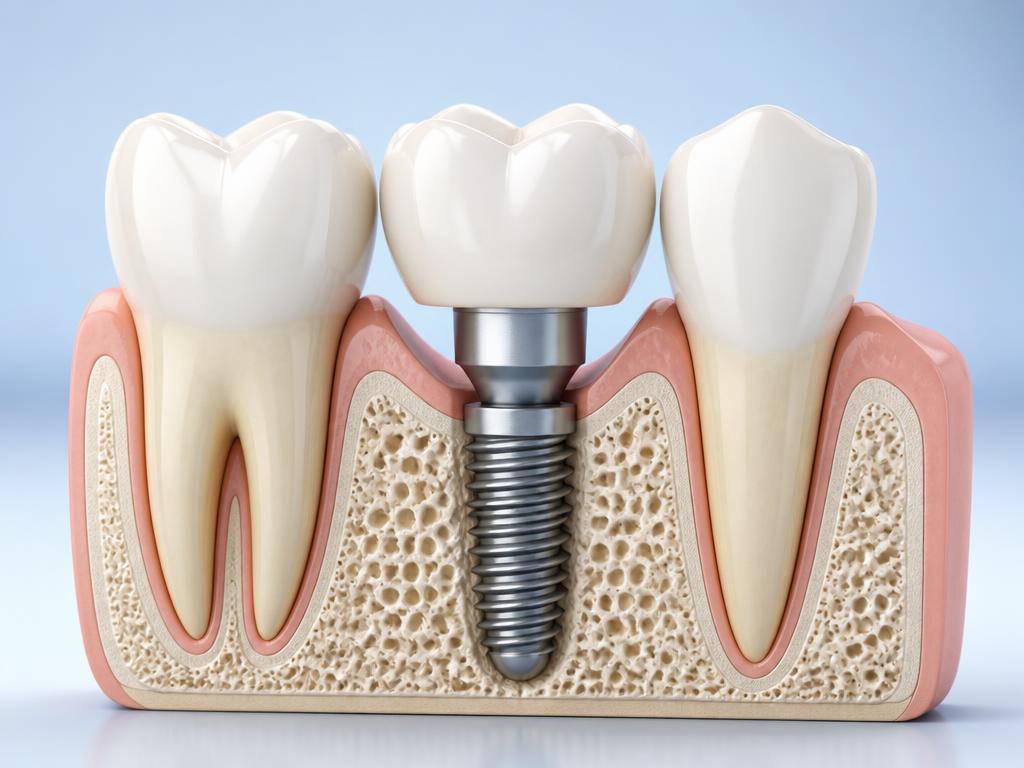
Cross-section illustration of a single tooth dental implant — titanium post, abutment, and crown between two natural teeth.

A titanium post replaces the tooth root, so the restoration stands on its own and keeps the jawbone working.

  • Neighboring teeth are left completely untouched
  • Preserves jawbone through normal chewing stimulation
  • Cleaned with regular brushing and flossing
  • Commonly lasts decades with routine maintenance
  • Requires surgery and 3–6 months of healing

Traditional Dental Bridge

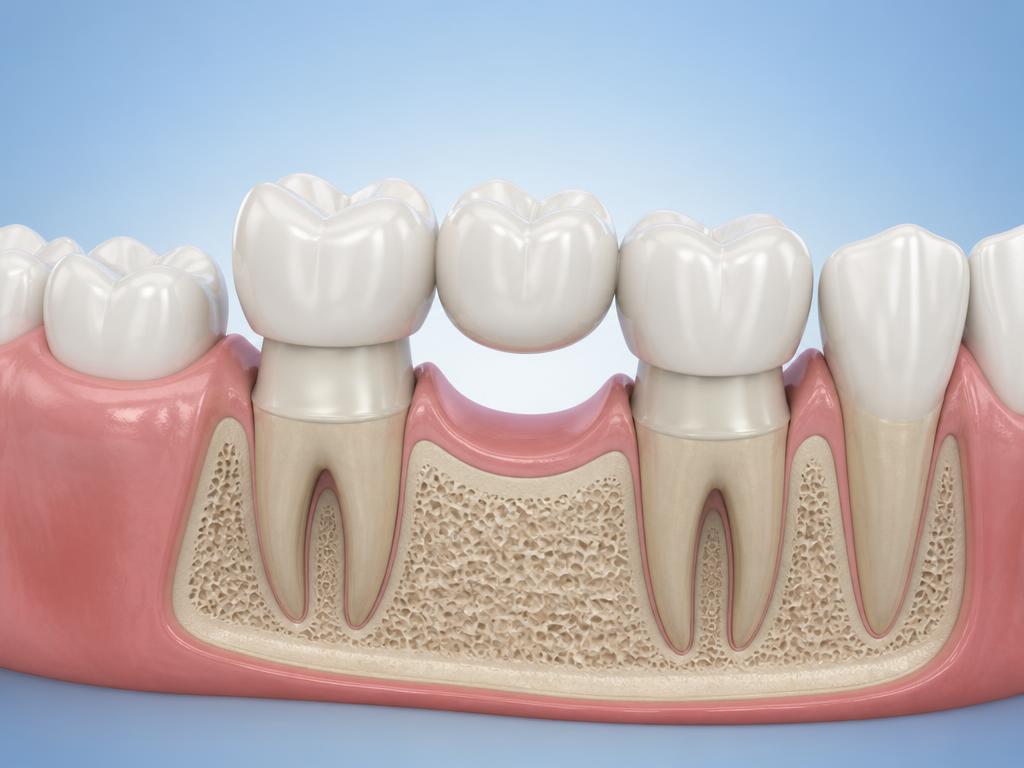
Cross-section illustration of a traditional dental bridge — two crowned anchor teeth supporting a false tooth (pontic) in the gap.

A three-unit bridge spans the gap by crowning the two healthy teeth on either side of the space.

  • Completed in about two to three weeks
  • No surgical phase required
  • Two healthy teeth must be filed down for crowns
  • Bone under the missing tooth continues to shrink
  • Needs threaders or special floss under the pontic
  • Typically replaced every 10–15 years

A bridge remains a sound choice when the neighboring teeth already need crowns or when bone volume rules out surgery. We walk through both plans, with fees, at the consultation.

The Process

The Single Tooth Implant Process

Every stage happens in our Washington, DC office. You will know before you start how many visits it takes and roughly how long you will wait between them.

01

Consultation & Imaging

Visit 1

A 3D cone-beam scan maps bone volume, nerve position, and sinus anatomy so the implant plan is set before any treatment begins.

02

Implant Placement

60–90 minutes

Dr. Shukoor places the titanium post through a guided surgical protocol under local anesthetic, with sedation available on request.

03

Osseointegration

3–6 months

The bone fuses to the implant surface. A temporary tooth keeps the space and your appearance intact while healing progresses.

04

Custom Crown Fabrication

2–3 weeks

A digital scan captures the site and an abutment is fitted. The crown is shade-matched to your neighboring teeth.

05

Crown Placement

Final visit

The crown is seated, the bite is refined, and the tooth is ready for normal eating and cleaning the same day.

Candidacy

Are You a Candidate for a Single Tooth Implant?

Most adults missing a single tooth are candidates. The deciding factors are gum health, general health, and how much bone remains in the socket.

What we check first

  • 1Bone height and width on a 3D cone-beam scan
  • 2Gum health and any active periodontal disease
  • 3Bite forces, grinding habits, and the opposing tooth
  • 4Medical history, including diabetes control and smoking
  • 5Position of the sinus or nerve relative to the site

If bone volume is short

Bone begins resorbing within months of losing a tooth, so long-standing gaps often need rebuilding before an implant can be placed. That is a routine, planned part of treatment — not a reason you cannot have an implant.

Grafting typically adds three to six months before placement, and in some cases the graft and the implant are done in the same appointment.

The three preparatory procedures below are all performed in-house by Dr. Kambez Shukoor.

Materials

Crown Options

The post is titanium in every case. The visible crown is where you have a choice, and the right material depends on where the tooth sits and how hard you bite.

Zirconia

Strongest all-ceramic option

Solid or layered zirconia offers exceptional fracture resistance with no metal substructure, which keeps the gum line free of any gray shadow. It is the default choice for molars and for patients who grind.

Best for

Back teeth, heavy bite forces, patients with bruxism.

  • Highest flexural strength of the ceramic options
  • Metal-free, so no dark line at the gum margin
  • Layered versions add translucency for visible teeth

Want the broader picture on how crowns work, including crowns on natural teeth? Read our dental crowns page, or review the ADA’s patient guide to crowns.

Real Cases

Real Single Tooth Implant Results From Our Office

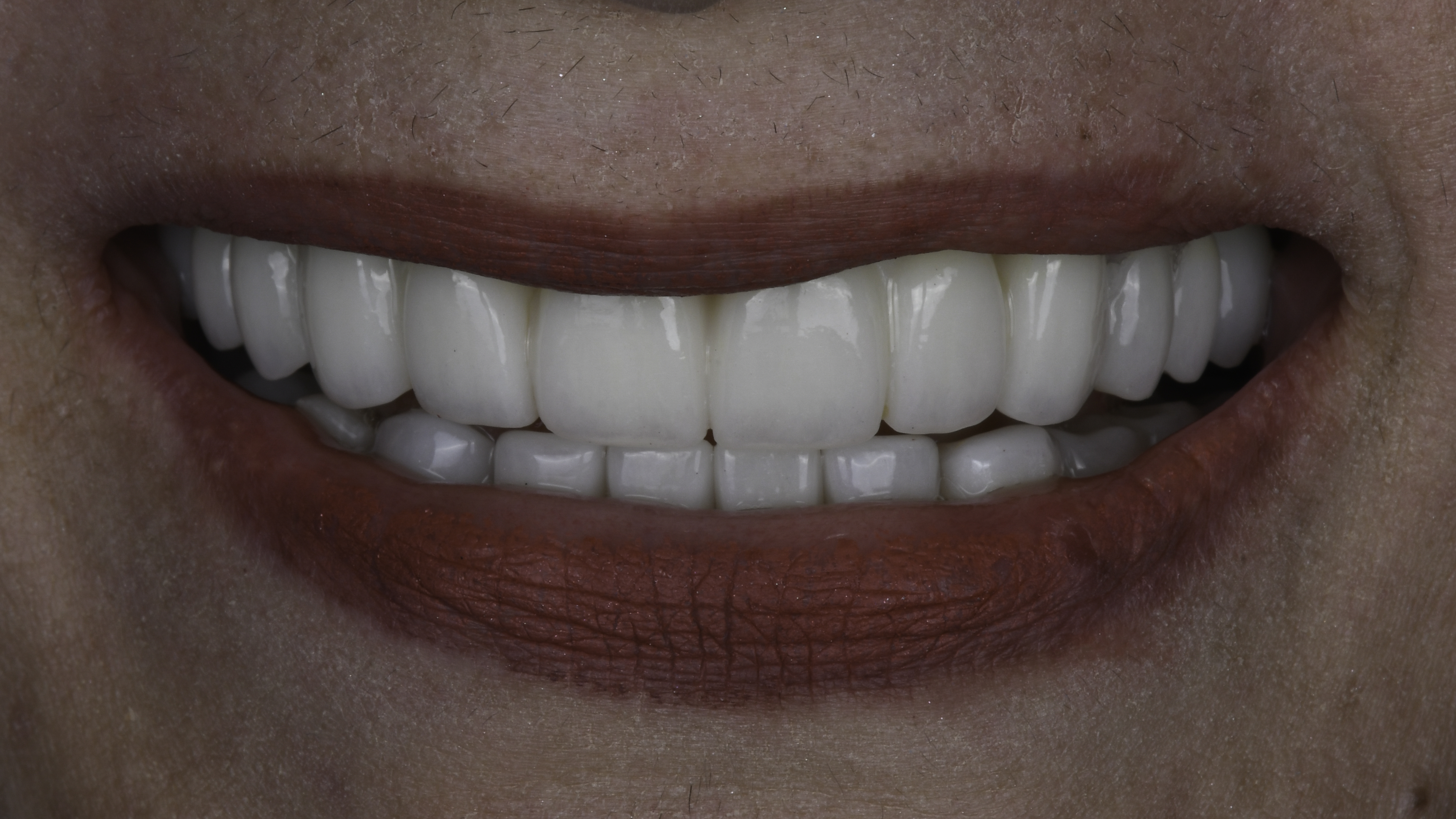
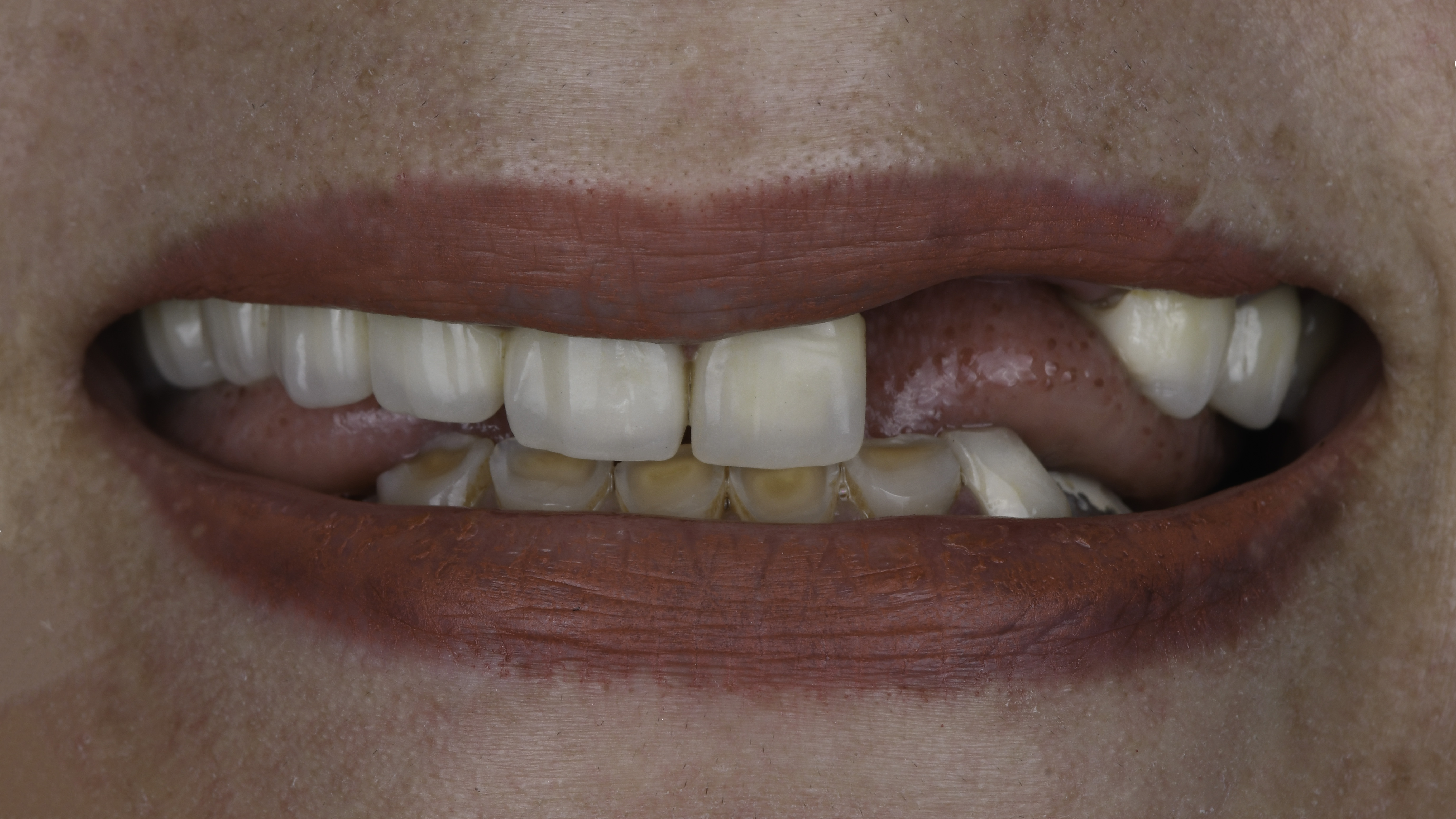
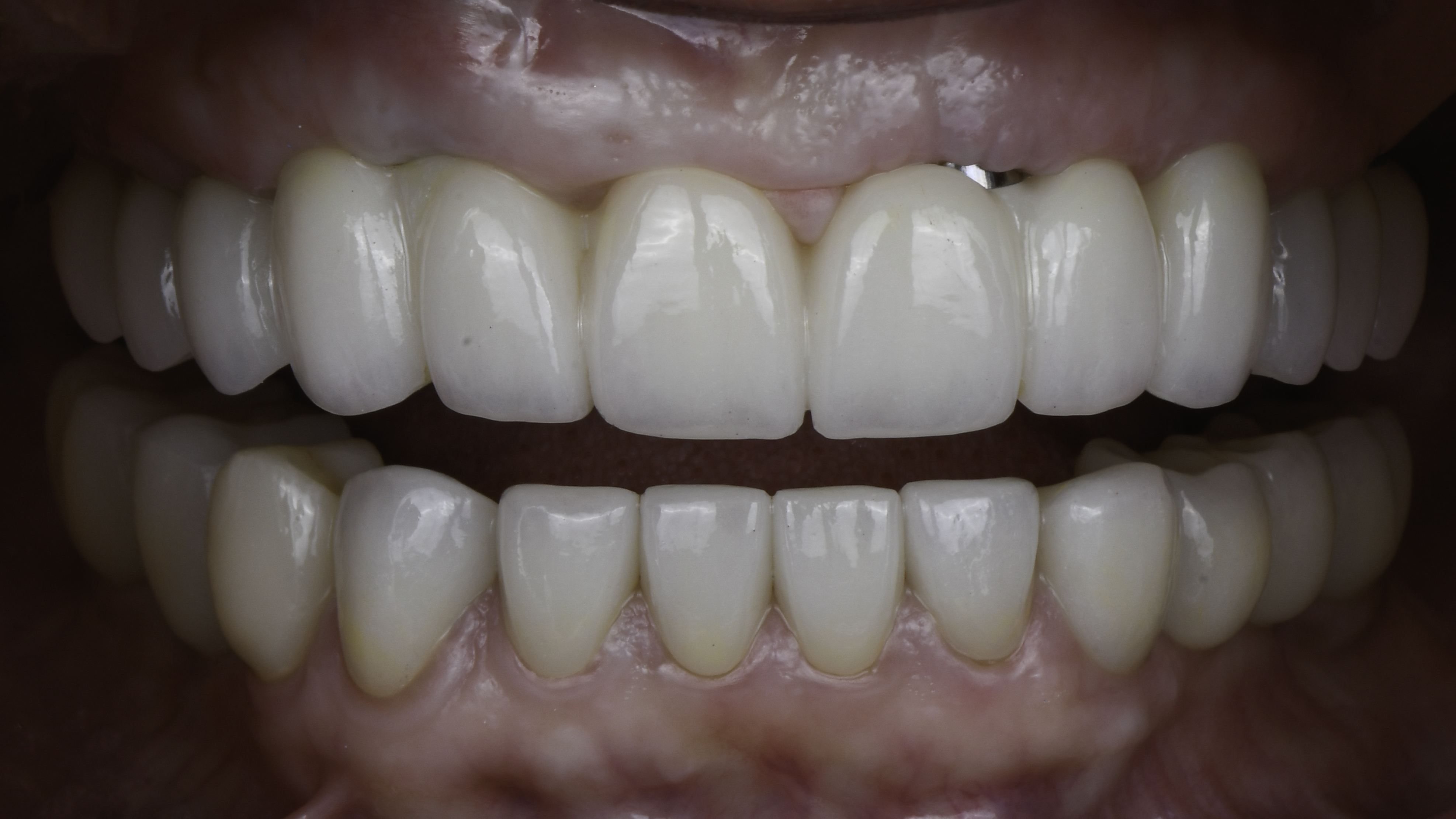
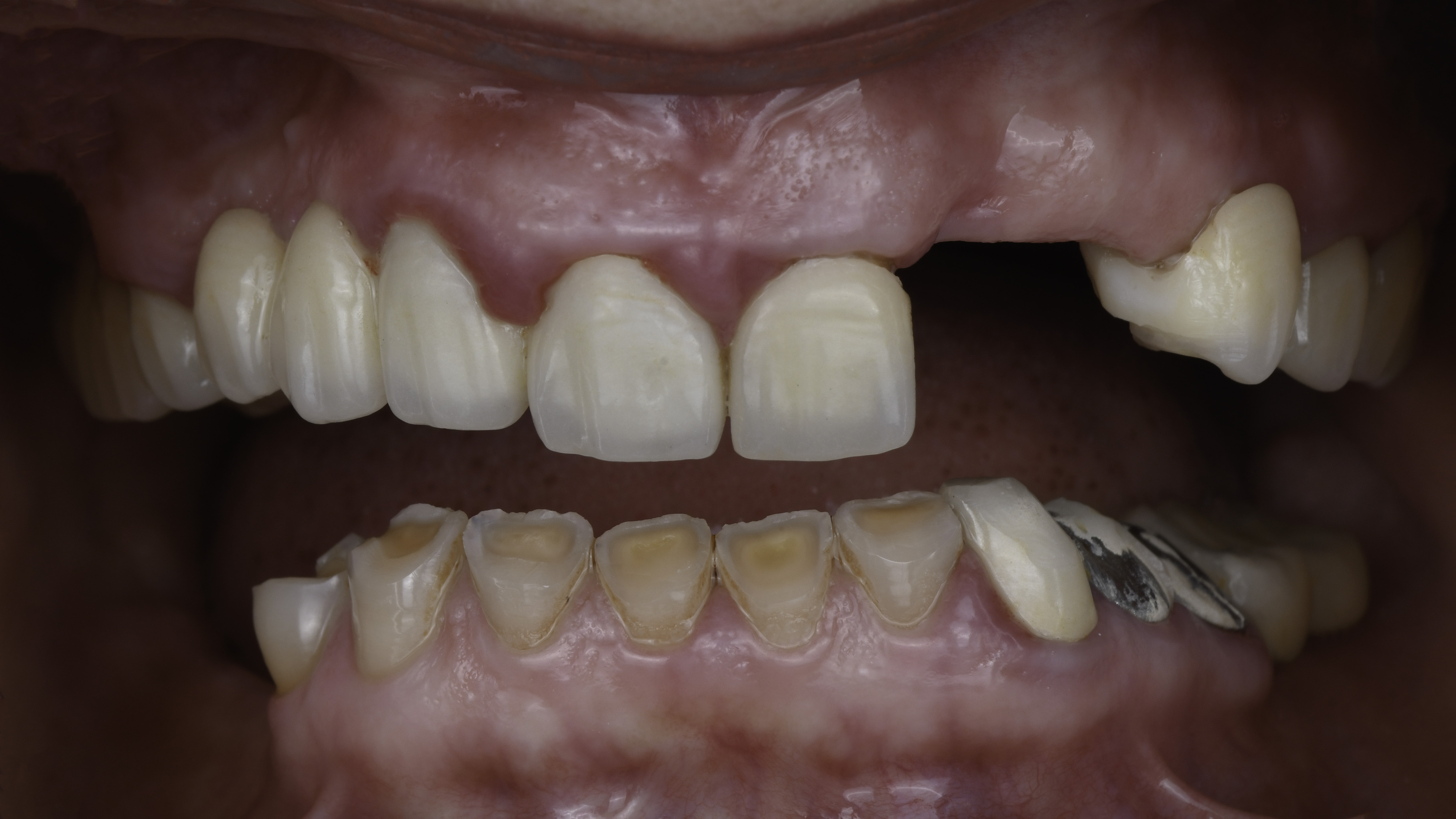
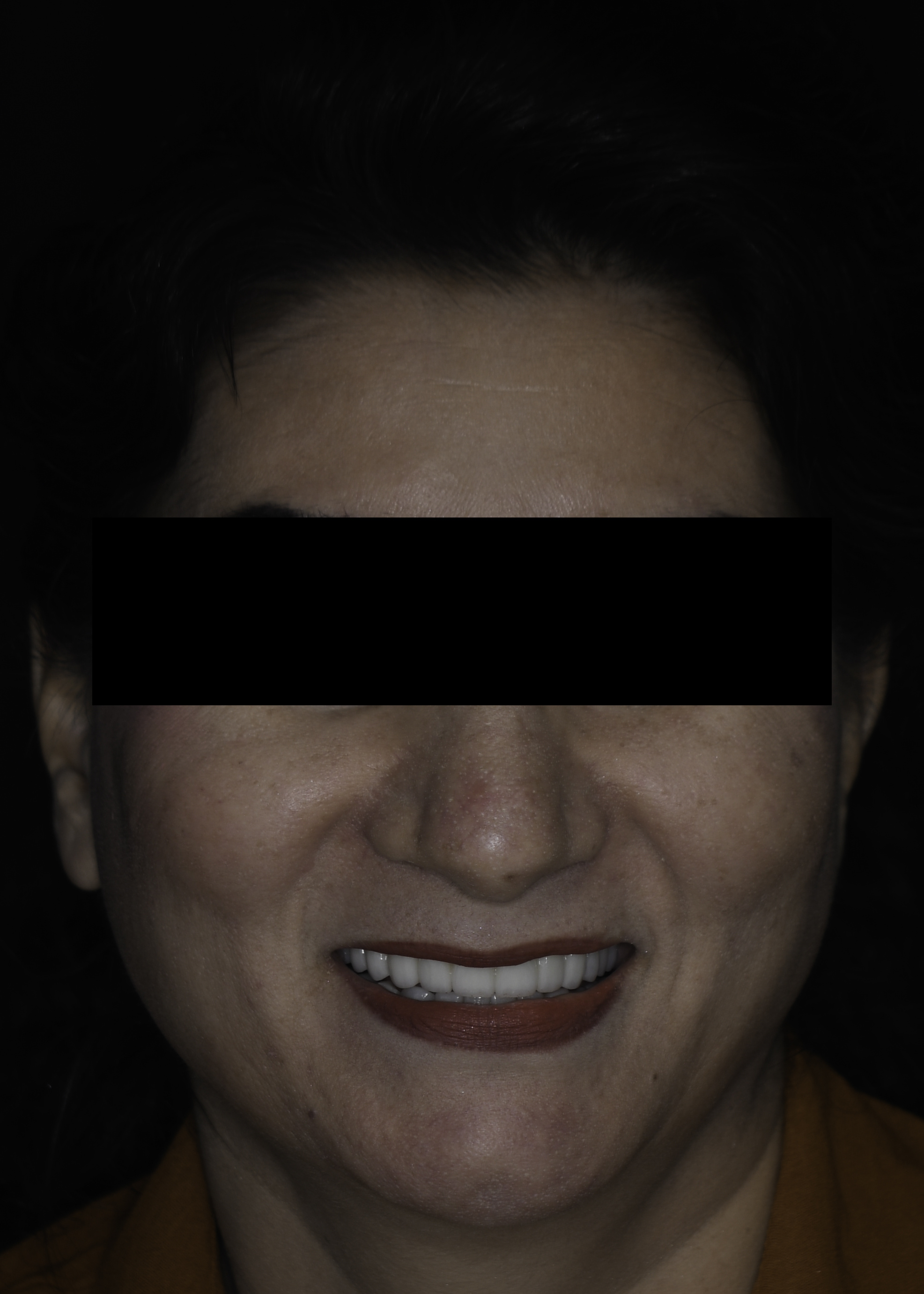
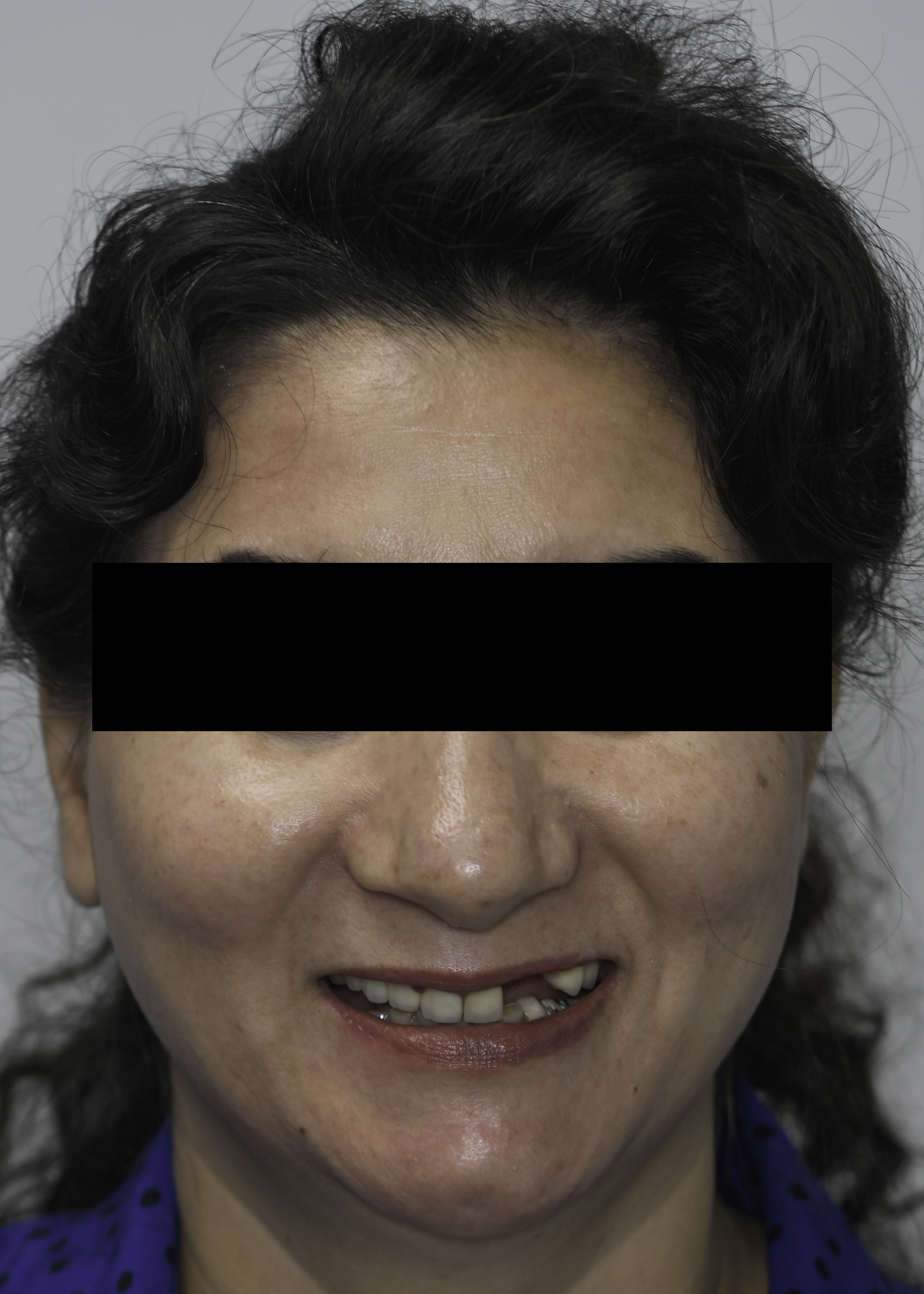
Drag the handle on each case to compare. Every photograph below is an actual patient treated in our Washington, DC office — no stock photography, no touch-ups.

Full smile view

Single tooth implant before and after — Missing tooth replaced with a single dental implant and crown, treated by Dr. Kambez Shukoor in Washington, DC — after treatment
Single tooth implant before and after — Missing tooth replaced with a single dental implant and crown, treated by Dr. Kambez Shukoor in Washington, DC — before treatment
BeforeAfter

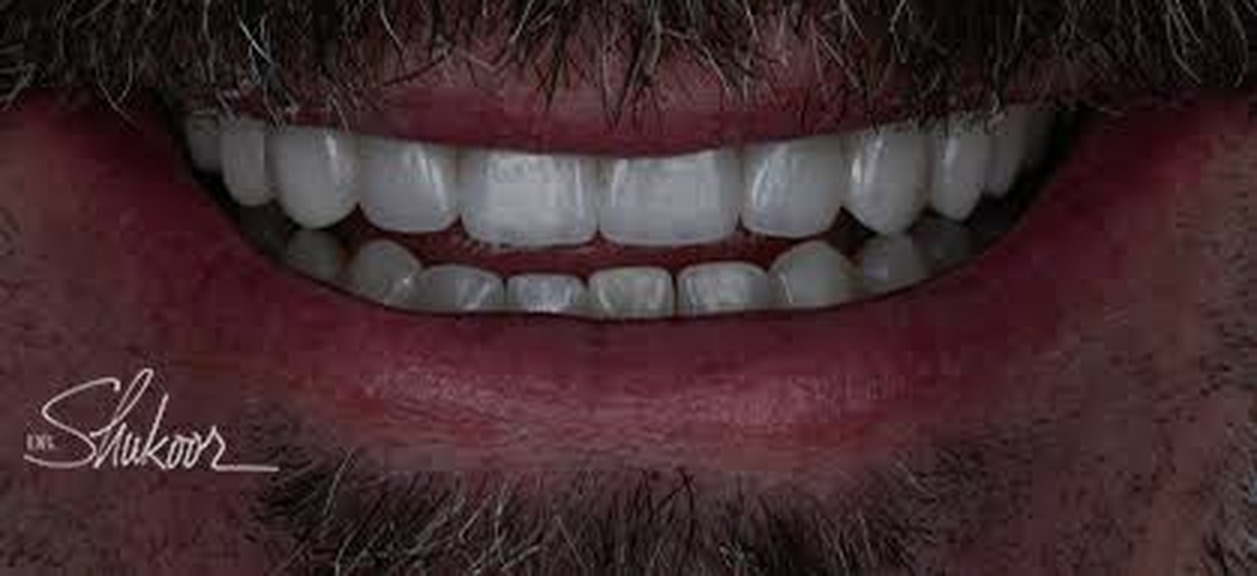
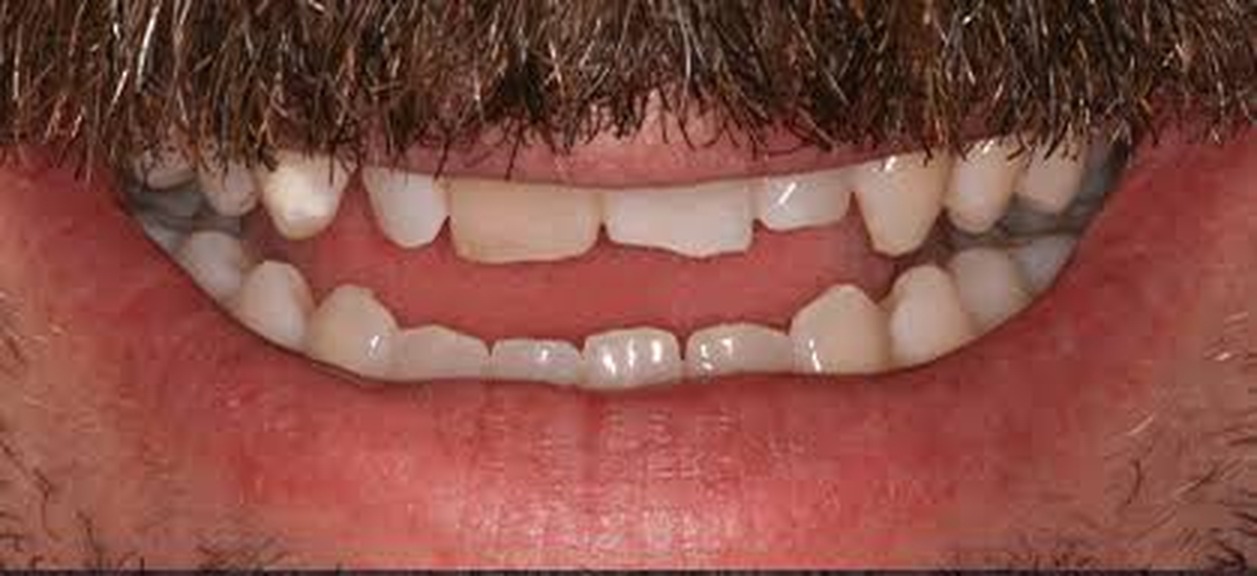
Close-up view

Close-up view — Single tooth implant before and after, Missing tooth replaced with a single dental implant and crown, Washington, DC — after treatment
Close-up view — Single tooth implant before and after, Missing tooth replaced with a single dental implant and crown, Washington, DC — before treatment
BeforeAfter

Missing tooth replaced with a single dental implant and crown

Single implantCustom crownNo adjacent teeth altered

When a tooth is lost, the teeth on either side begin to drift into the space and the opposing tooth can over-erupt, which gradually unravels the bite. Here a single dental implant was placed into the healed site and restored with a custom crown shaped and shaded to sit naturally in the arch — closing the gap, protecting the neighboring teeth from further shifting, and restoring full chewing force without touching the healthy teeth beside it.
See all cases in the Smile Gallery →

Recovery

Recovery After a Single Tooth Implant

The first 72 hours

Expect mild swelling and soreness that peaks around day two.

  • Ice the cheek in 20-minute intervals for the first day
  • Soft foods for the first week, chewing on the opposite side
  • Over-the-counter pain relievers are enough for most patients
  • Avoid smoking and drinking through straws — both disturb the site
  • Rinse gently with warm salt water starting the day after surgery

Weeks two through healing

Once the site settles you return to normal eating while osseointegration finishes.

  • Normal brushing resumes around the site once tenderness fades
  • Short follow-up visits confirm the implant is integrating
  • A temporary tooth keeps your appearance intact if the site is visible
  • Any issue is caught long before the final crown is made

Long-term maintenance

Implants cannot decay, but the gum and bone around them still need monitoring.

  • Brush twice a day and floss or water-floss around the crown
  • Keep six-month professional cleanings so the tissue around the implant is checked regularly
  • Wear a nightguard if you grind, to protect the crown

Anxious patients can have the placement done with sedation available alongside local anesthetic; the ADA explains the options for anesthesia and sedation in dentistry.

Single missing tooth restored with a dental implant and ceramic crown in Washington, DC — after treatment
Single missing tooth restored with a dental implant and ceramic crown in Washington, DC — before treatment
BeforeAfter

A patient treated at our Washington, DC office: the gap from a missing upper tooth restored with an implant-supported ceramic crown matched to the adjacent teeth.

Recovery timeline at a glance
TimeframeWhat to expect
Day 1–3Peak swelling and soreness; ice, soft foods, OTC pain relievers
Week 1Swelling resolves; soft diet continues; no smoking or straws
Weeks 2–4Normal eating returns; gum tissue closes over the site
Months 2–6Osseointegration; brief checks confirm the post is fusing
Crown visitsDigital scan, abutment fitting, and final crown placement
OngoingHome care plus six-month cleanings and implant checks

Investment

What Does a Single Tooth Implant Cost in Washington, DC?

We do not publish a single price, because a single tooth implant is not a single product. Here is exactly what moves the number.

Bone grafting needs

  • A site with adequate bone goes straight to placement
  • A resorbed ridge or expanded sinus needs grafting first
  • Grafting adds both a surgical fee and healing time

Crown material

  • Zirconia, e.max, and porcelain-fused-to-metal sit at different price points
  • Front-tooth cases often justify the more esthetic ceramic
  • Back-tooth cases often do not require it

Case complexity

  • Extraction of a failing tooth before placement
  • Sedation, or proximity to the sinus or nerve
  • Whether a temporary tooth is needed while healing

At your consultation you receive an itemized written quote covering every stage — no surprise line items later. We verify your insurance benefits and explain monthly payment options on our financial information page, including CareCredit and Cherry financing.

Why Choose

DC Implant & Cosmetic Dentistry

Dr. Kambez Shukoor is a U.S. Navy veteran dentist with fellowship-level implant training who handles the surgery and the final crown himself.

Surgery & Crown in One Office

Dr. Shukoor places the implant and restores it himself, so there's no hand-off between a surgeon and a separate restorative dentist.

Implant-Focused Credentials

FAGD, FICOI, and MICOI credentials backed by continuing education specific to implant surgery and prosthetics.

Guided 3D Planning

Cone-beam imaging and digital scanning position every implant before the day of surgery, not during.

Comfort-First Care

Local anesthetic, sedation options, and a slow, explained pace for patients who are anxious about oral surgery.

Honest Case Planning

If a bridge or a different treatment is the better long-term fit for a case, that's what gets recommended.

Transparent Costs

Written treatment plans with itemized fees, insurance coordination, and third-party financing through CareCredit and Cherry.

FAQ

Implant Questions

The questions Washington, DC patients ask most often before replacing a single missing tooth.