

General Dentistry
Root Canal Treatment in Washington, DC
A procedure that removes infected or damaged tissue from inside a tooth so the natural tooth can be saved rather than extracted — performed in-house by Dr. Kambez Shukoor, with treatment under local anesthetic that relieves the pain you arrived with.

Google Rating
4.9 · 303 reviews
Availability
Same-day consults
Payments
Financing available
Definition
What Is a Root Canal?
A root canal is a procedure that removes infected or inflamed tissue from inside a tooth, then cleans, shapes, and seals the canal so the natural tooth can stay in place. It treats the inside of the tooth — the part a filling cannot reach — and is the alternative to extracting the tooth altogether.
Does it hurt? The honest answer, up front
This is the first thing almost every patient asks, so it is worth answering before anything else. A root canal is performed under local anesthetic and relieves pain rather than causing it. The severe ache people associate with the words “root canal” is the infection patients arrive with — the treatment is what ends it. Most patients report the appointment feels much like having a filling done, and mild soreness for a few days afterward is handled with over-the-counter pain relievers. If anxiety is the reason you have been putting this off, sedation options are available.
What is inside a tooth, and what goes wrong
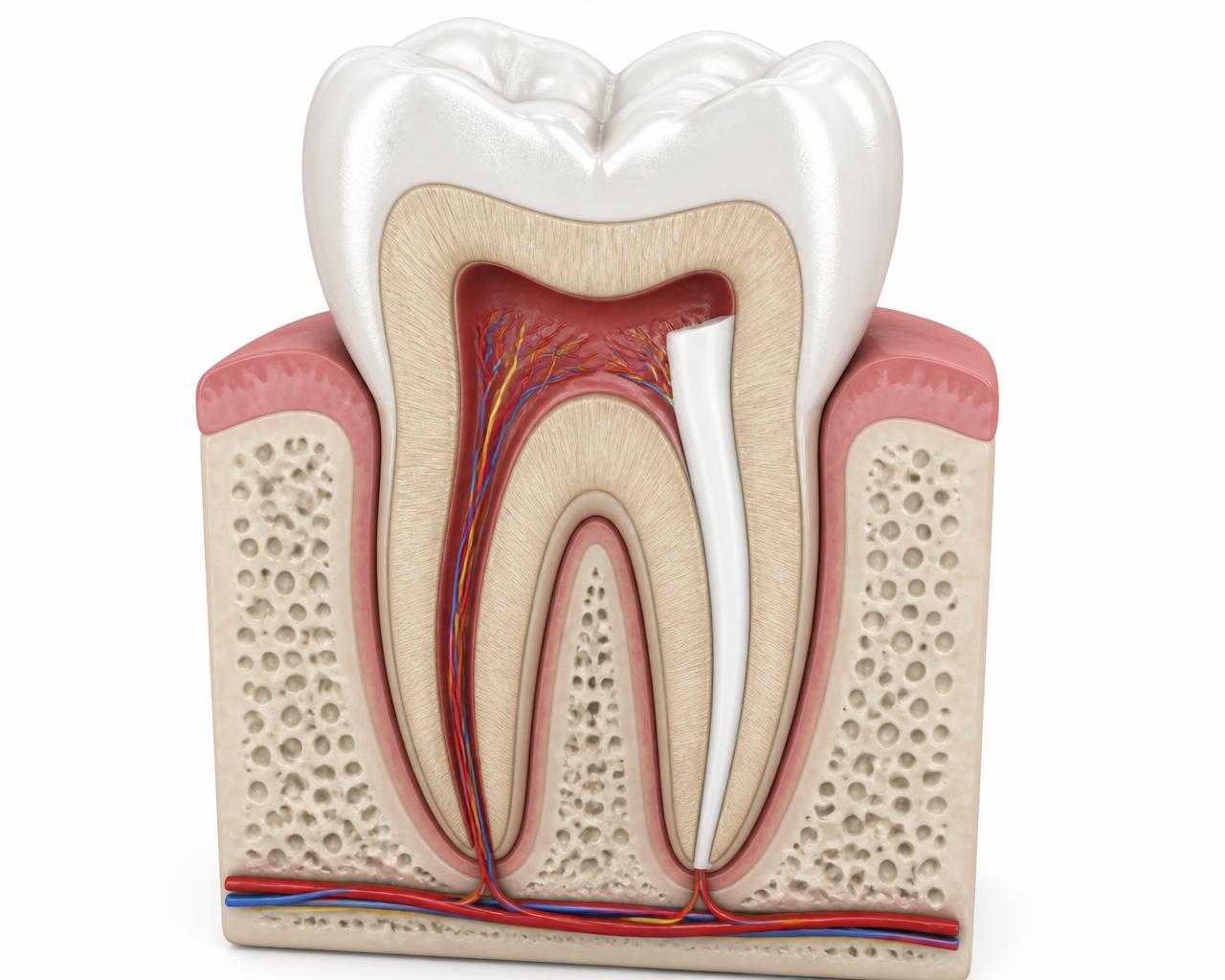
Beneath the enamel and dentin, each tooth has a hollow centre called the pulp, which holds the nerve and blood vessels that nourished the tooth as it developed. Deep decay, a crack, repeated dental work, or a blow to the mouth can let bacteria reach that pulp. Once it becomes infected or irreversibly inflamed it cannot heal on its own, and the infection eventually travels out through the root tip into the surrounding bone.
- The damaged pulp is removed from the pulp chamber and each root canal
- The canals are disinfected and shaped along their full length
- A biocompatible material seals the canals so bacteria cannot re-enter
- The access opening is closed and the tooth is built up for its crown
- The tooth stays in the jaw, root and all, keeping your bite intact
At a glance
Root Canal Treatment
- Treatment time
- About 60–90 minutes per appointment
- Number of visits
- Typically one to two
- Anesthesia
- Local, with sedation available
- Discomfort after
- Mild soreness for a few days
- Longevity
- Often lifelong once crowned and maintained
- Crown needed after
- Usually yes — dental crowns
or call (202) 363-2810
Compare
Root Canal vs. Tooth Extraction
Two ways to end the same infection. One keeps the natural tooth in the jaw; the other removes it and starts a separate conversation about replacing the gap. When a tooth can be saved, saving it is generally the better long-term outcome — but there are real cases where extraction is the right call.
Root Canal Treatment
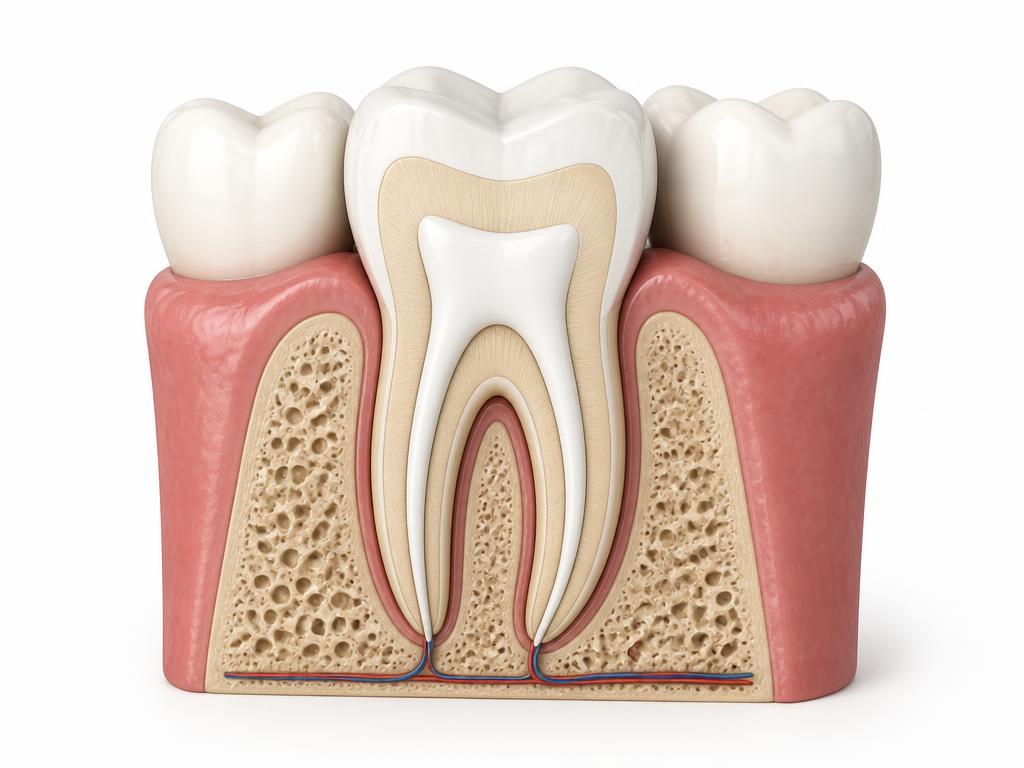
The infected pulp is removed and the canal cleaned, shaped, and sealed — the natural tooth stays in the jaw and keeps doing its job.
- Your natural tooth root is kept in place
- The root keeps stimulating bone, so the ridge is not lost
- Neighbouring teeth stay where they are — no drifting into a gap
- Bite and chewing pattern are preserved unchanged
- Usually completed in one to two visits under local anesthetic
- A crown is almost always needed afterward, at additional cost
- Not possible if the tooth is fractured below the gumline
Tooth Extraction
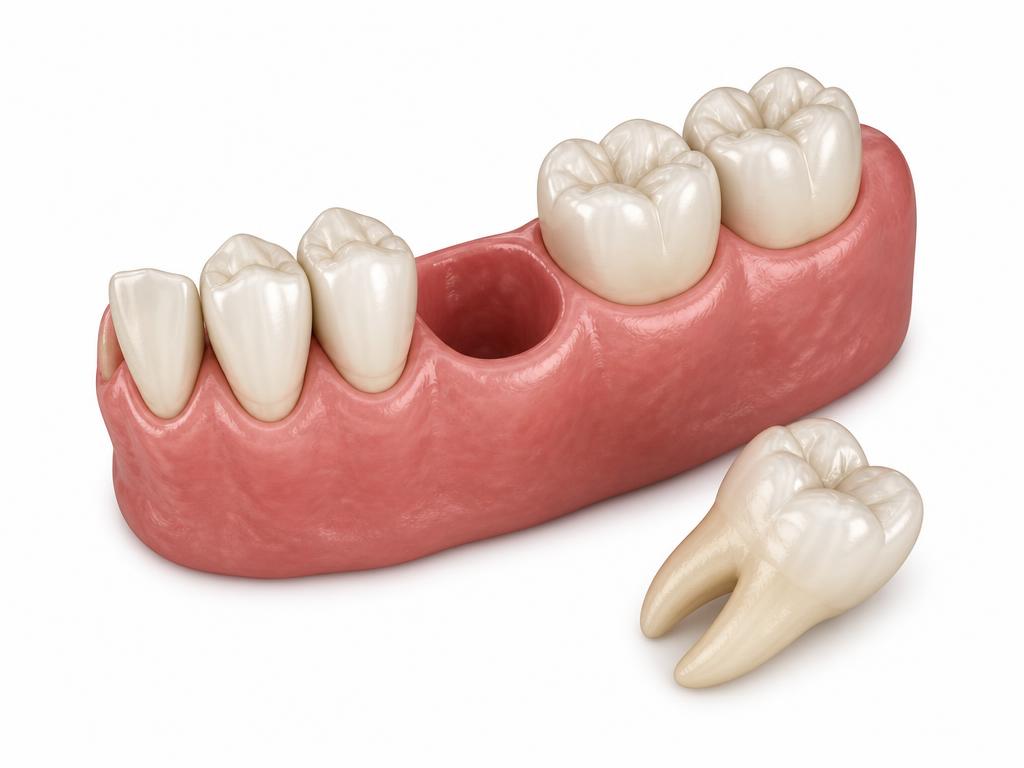
The tooth is removed and the gap is then replaced — or left, with consequences for the teeth around it.
- Removes the infection source outright
- The right call when the tooth is split, fractured, or beyond repair
- Lower immediate cost than a root canal plus crown
- The natural tooth is gone permanently
- Bone at the site begins to resorb once the root is removed
- The gap needs replacing with an implant, bridge, or denture
- Left unreplaced, neighbouring teeth drift and the bite shifts
If extraction is the honest recommendation, the gap is normally replaced with a single tooth implant, a bridge, or a partial denture — planned at the same appointment so you know the whole path before anything is removed.
Symptoms
Signs You May Need a Root Canal
Most patients arrive here because something hurts. These are the signals that most often turn out to be an inflamed or infected pulp — though only an exam and X-ray can confirm it.
Severe or lingering tooth pain
Pain that wakes you at night, throbs, or keeps returning to the same tooth — particularly if it worsens when you bite down or lie flat.
Hot and cold sensitivity that persists
Normal sensitivity fades within seconds. Pulp damage is suggested when the ache continues long after the hot drink or ice has gone.
Swelling or tenderness in the gums
A tender, puffy area of gum next to one tooth usually means infection has travelled out of the root tip into the surrounding tissue.
A darkening tooth
A single tooth turning grey or brown compared with its neighbours often means the nerve inside it has died, sometimes years after an injury.
A recurring bump on the gum
A pimple-like spot that drains and comes back is a sinus tract — the infection venting pressure. It can make the pain vanish while the problem continues.
No symptoms at all
Some dying nerves are silent and are only found on a routine X-ray taken during an exam — one of the reasons six-month visits matter.
The Process
The Root Canal Process
Six stages, usually across one or two appointments — plus the crown visit that follows and protects the work.
Diagnosis & X-Ray
Visit 1
We examine the tooth, test how the nerve responds, and take an X-ray to see the shape of the root canals and whether infection has reached the bone at the root tip. This is also where we confirm the tooth can be saved at all.
Anesthesia
Before anything begins
The tooth and surrounding tissue are fully numbed with local anesthetic before treatment starts. You should feel pressure and movement but not pain. Nitrous or other sedation is available if anxiety is the barrier.
Accessing & Removing the Damaged Pulp
The core of the treatment
A small opening is made through the biting surface, and the inflamed or infected pulp — the nerve and blood vessel tissue inside the tooth — is removed from the pulp chamber and each root canal.
Cleaning & Shaping the Canal
Same appointment
Each canal is cleaned, disinfected, and shaped along its full length so no bacteria are left behind and the sealing material can fill it completely. Molars have more canals than front teeth, which is why they take longer.
Filling & Sealing the Tooth
End of treatment
The canals are filled with a biocompatible sealing material and the access opening is closed with a filling or a build-up that will support the crown. A temporary filling is used if the crown is being made at a later visit.
Crown Placement
Usually a separate follow-up visit
A treated tooth is hollow and brittle, so it almost always needs a crown to survive normal chewing forces. This is a separate appointment and a separate cost — details on our dental crowns page.
Candidacy
Are You a Candidate for a Root Canal?
The question is not really whether you want a root canal — it is whether the tooth still has enough sound structure to be worth saving. That is decided at the exam, with an X-ray.
A root canal can save the tooth if
- 1Enough healthy tooth structure remains above the gumline to hold a crown
- 2There is no severe fracture running below the gumline or splitting the root
- 3The bone supporting the tooth is still healthy despite the infection
- 4The canals are accessible and can be cleaned along their full length
- 5You are able to have the crown placed promptly after treatment
When extraction is the better recommendation
A tooth split vertically, fractured below the gumline, or so broken down that nothing is left to hold a crown cannot be reliably restored. Advanced bone loss around the root has the same effect. Treating a tooth in that condition buys months, not years, and we would rather tell you that than take the fee.
If the tooth has to come out, the replacement is planned at the same visit — a single tooth implant keeps the neighbouring teeth untouched, while a bridge closes the gap without surgery.
Both the root canal and the crown that follows are done in-house by Dr. Kambez Shukoor.
Dental Crowns
The restoration that follows almost every root canal, protecting the treated tooth from fracture.
Dental CrownsSingle Tooth Implants
If the tooth cannot be saved, an implant replaces root and crown without touching neighbours.
Single Tooth ImplantsBridges
A fixed replacement anchored to the teeth either side of the gap after an extraction.
BridgesRecovery
Recovery After a Root Canal
The first few days
Most patients go straight back to work or school the same day. The tooth and the ligament around it are usually tender for two to four days — more so if you arrived with an active infection — and that settles steadily rather than getting worse.
- Mild soreness when biting, easily managed with over-the-counter pain relievers
- Wait until the numbness fully wears off before eating, to avoid biting your cheek
- Chew on the other side until the permanent crown is placed
- Avoid hard, crunchy, or sticky foods on the treated tooth entirely
- Brush and floss the tooth as normal — it still needs cleaning
- Call the office if pain increases after a few days or swelling appears
Why the crown should not wait
Between the root canal and the crown, the tooth is held together by a temporary filling and is at its most vulnerable. A treated tooth is hollow and brittle, and a fracture at this stage can undo the whole treatment and force an extraction. Getting the dental crown placed promptly is the single biggest factor in how long the tooth lasts.
| Timeframe | What to expect |
|---|---|
| Day 1 | Numbness wears off over a few hours; original pain is gone |
| Days 2–4 | Tenderness when biting; over-the-counter relief is enough |
| Week 1 | Soreness resolves; chew on the other side, temporary in place |
| Weeks 2–4 | Permanent crown placed and the bite checked and adjusted |
| Ongoing | Treated tooth cleaned and reviewed like any other at check-ups |
Investment
What Does a Root Canal Cost in Washington, DC?
We do not publish a flat price, because three things move the number — and because the crown that follows is a separate procedure with its own fee. Here is exactly what you are paying for.
Which tooth is treated
- Front teeth have a single canal and are the most straightforward
- Premolars typically have one or two canals
- Molars have three or four canals and take substantially longer
The crown afterward
- A crown is almost always needed and is quoted separately from the root canal
- The root canal fee does not include the crown — we state both up front
- Crown material affects the number; options are set out on the crowns page
Case complexity
- Curved, narrow, or calcified canals take longer to clean and seal
- An active abscess or a retreatment adds to the work involved
- Insurance frequently contributes; we verify your benefits in advance
You get an itemized written quote covering the root canal and the crown separately before treatment begins, so there is no surprise second bill. Insurance is verified in advance, and CareCredit and Cherry financing are explained on our financial information page.
Why Choose
DC Implant & Cosmetic Dentistry
Dr. Kambez Shukoor treats the tooth and restores it afterward, in one Connecticut Avenue office.
Root Canal & Crown Under One Roof
Dr. Kambez Shukoor performs the root canal and designs the crown that follows it — no referral out and no handoff between two offices mid-treatment.
Restorative Credentials
FAGD, FICOI, and MICOI training across restorative and surgical dentistry, which is what informs the judgement call on whether a tooth is worth saving.
Digital Imaging Diagnosis
Digital X-rays taken at your exam show the canal anatomy and any infection at the root tip before treatment is planned.
Comfort-First Treatment
Thorough local anesthesia with nitrous, oral, or IV sedation options for patients whose anxiety is what has kept them away.
Honest Save-or-Replace Counsel
When a tooth genuinely cannot be saved, we say so and walk you through implant and bridge options rather than treating a tooth that will not last.
Transparent Costs
The root canal and the crown are quoted separately and in writing, with insurance coordination and financing explained on our financial information page.
FAQ
Root Canal Questions
The questions Washington, DC patients ask most often — starting with the one everybody wants answered first.
The American Dental Association’s MouthHealthy guide to root canals is a useful independent overview if you want to read further before your appointment.
Related
Saving and Replacing Teeth
What comes next after a root canal — and the options if a tooth turns out to be beyond saving.
Dental Crowns
Full-coverage protection for a tooth that has been root canal treated or heavily rebuilt.
Dental CrownsSingle Tooth Implants
Replacing a tooth that could not be saved, root and all, without altering the neighbours.
Single Tooth ImplantsBridges
A non-surgical way to close a single-tooth gap using the adjacent teeth as support.
BridgesExams & X-Rays
Where a dying nerve is often caught first — sometimes before it has caused any pain.
Exams & X-RaysTooth pain that will not settle? Let us find out what is causing it.
An exam and X-ray show whether the pulp is involved and whether the tooth can be saved. Book online or call the office and we will get you assessed.
4444 Connecticut Ave NW #106, Washington, DC 20008