

General Dentistry
Tooth Extractions in Washington, DC
Removal of a tooth that cannot be saved through a filling, crown, or root canal — done comfortably, with a clear plan for what replaces it agreed before the tooth comes out.

Google Rating
4.9 · 303 reviews
Availability
Same-day consults
Payments
Financing available
The Basics
When Is a Tooth Extraction Necessary?
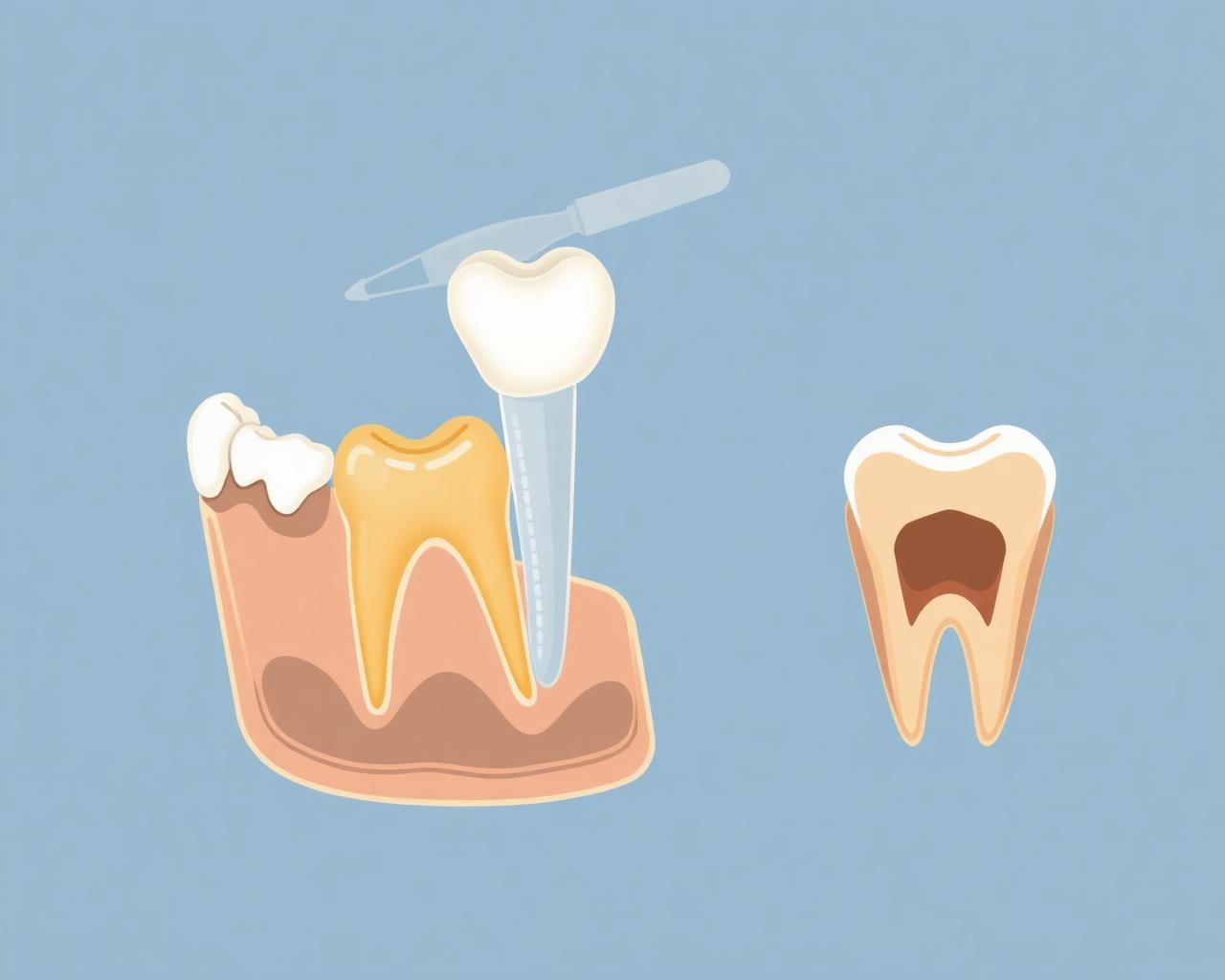
A tooth extraction is the removal of a tooth that can no longer be repaired or safely kept in the mouth. It is recommended when decay or infection has gone beyond what a filling, crown, or root canal can treat, when a tooth has fractured below the gumline, when advanced gum disease has left it loose, or when orthodontic treatment needs the space.
This page is not about wisdom teeth
Third molars are a different procedure with their own timing, impaction patterns, and recovery, and they are covered in full on our wisdom tooth removal page. Everything here applies to the removal of any other tooth — a molar, premolar, canine, or front tooth — where the reason is damage, infection, or crowding rather than a wisdom tooth coming in badly.
The common reasons a tooth has to come out
- Decay or infection too extensive for a filling, crown, or root canal to treat
- A tooth fractured below the gumline, leaving nothing restorable above it
- Advanced gum disease that has destroyed the bone holding the tooth in place
- Orthodontic crowding where space has to be created to align the arch
- A failed previous restoration or re-treated root canal that cannot be saved again
Replacement is part of the same conversation
Except for teeth removed for crowding, a gap is rarely the end of the plan. We discuss what will replace the tooth — an implant, a bridge, or a removable option — before the extraction, because that decision changes how the socket is treated on the day.
At a glance
Tooth Extractions
- Treatment time
- About 20–45 minutes per tooth
- Anesthesia
- Local, with sedation available
- Recovery time
- Soft diet 3–7 days; gum closed in 2–3 weeks
- Number of visits
- One, plus a short healing check
- Replacement planning
- Discussed before the extraction, not afterwards
or call (202) 363-2810
Approach
Simple Extraction vs. Surgical Extraction
Every extraction falls into one of two categories, and which one applies is usually clear from the X-ray before you sit down.
Simple Extraction
The tooth is fully visible above the gumline and can be loosened and lifted out with hand instruments under local anesthetic.
- Tooth is intact enough to grip and is accessible in the mouth
- Local anesthetic is usually all that is needed
- Typically finished in 20–30 minutes
- No incision, and often no stitches
- Most patients return to normal activity the next day
- Not an option once the tooth has broken at the gumline
Surgical Extraction
The tooth is broken below the gumline, impacted, curved-rooted, or otherwise inaccessible, so it has to be uncovered and removed in sections.
- Handles fractured, root-tip, and impacted teeth other approaches cannot
- Sedation is available and commonly used for longer cases
- The socket can be grafted at the same visit to preserve bone
- Requires a small gum incision and sometimes stitches
- Takes longer in the chair and costs more than a simple extraction
- Swelling and a soft diet for several days is the norm
Both are done here on Connecticut Avenue — there is no referral out for a surgical case, and sedation is available for either if that is what makes the appointment manageable for you.
The Process
The Tooth Extraction Process
Five stages, from confirming the tooth genuinely needs to come out through to agreeing what replaces it.
Consultation & X-Ray
Before anything is decided
We image the tooth and its roots to confirm the extraction is genuinely necessary, see how the roots sit relative to the sinus and nerve, and judge whether the removal will be simple or surgical.
Anesthesia or Sedation
A few minutes to take effect
The tooth and surrounding bone are fully numbed with local anesthetic. For anxious patients or longer surgical removals, sedation is available so the appointment passes with no real awareness of it.
Extraction
The core of the visit
The tooth is gently loosened from the ligament that holds it and lifted out. You feel firm pressure and movement, but not pain. A broken or impacted tooth is uncovered and removed in sections instead.
Closing & Initial Recovery
Last few minutes in the chair
The socket is cleaned, grafted where a future implant is planned, and closed with stitches if needed. You bite on gauze until a stable clot forms, and we go through the aftercare instructions with you.
Discussing Replacement Options
Same visit, or planned in advance
If the tooth is one that should be replaced, we confirm the plan — implant, bridge, or a removable option — and the timing, so the gap is part of a treatment plan rather than something to figure out later.
Candidacy
Are You a Candidate for Extraction — or Is There a Way to Save the Tooth?
Removing a tooth is straightforward. Replacing one properly is not. That is why extraction is treated here as a last resort rather than a first-line option.
Signs pointing toward extraction
- 1Decay that has destroyed most of the crown of the tooth, leaving nothing to restore
- 2Infection that has not resolved after root canal treatment or re-treatment
- 3A vertical fracture running down the root, or a break below the gumline
- 4Advanced gum disease with significant bone loss and a tooth that moves
- 5A tooth blocking orthodontic alignment where space has to be created
Signs the tooth may still be savable
- 1Decay confined to the crown of the tooth, treatable with a filling
- 2Pain from an inflamed or infected nerve in an otherwise sound tooth — root canal territory
- 3A chip or crack above the gumline with enough structure left to hold a crown
- 4Gum disease that has not yet caused mobility and can be treated with deep cleaning
- 5An old failing filling or crown that simply needs replacing
A second opinion on a tooth someone else has said must come out is a reasonable thing to ask for, and we are glad to give one.
Dental Fillings
Decay that has not reached the nerve is usually treated and sealed in a single visit — no extraction involved.
Dental FillingsRoot Canal Treatment
An infected nerve does not mean the tooth has to go. Treating the pulp and crowning the tooth often saves it for decades.
Root Canal TreatmentDental Crowns
A badly broken but restorable tooth can often be held together and protected with full-coverage crown.
Dental CrownsPlanning Ahead
What Replaces an Extracted Tooth?
This is the part worth settling before the extraction, not after it. The replacement you choose changes how the socket is handled on the day the tooth comes out.
Why the gap matters
The bone that held the root begins to shrink once the tooth is gone, and the teeth either side gradually drift and tip into the space. Deciding on a replacement early means we can graft the socket at the time of extraction to preserve the ridge, which keeps the better options open later.
The permanent options
A single tooth implant replaces the root as well as the crown and does not involve the neighbouring teeth. Where more than one tooth is removed, multiple tooth implants can carry the span. A dental bridge avoids surgery entirely by anchoring to the teeth on either side.
Removable and temporary options
Where several teeth are missing, dentures remain a practical and affordable answer. For a single visible tooth, a dental flipper fills the space cosmetically within a day or two while a permanent replacement is planned and the site heals.
Timing
In favourable cases an implant can go in the same day as the extraction. More often the socket is grafted and left to heal for two to three months first, which gives the most predictable long-term result. We tell you which route your tooth is on from the X-ray, before the extraction is booked.
Single Tooth Implants
The closest replacement to a natural tooth, standing on its own without touching the neighbouring teeth.
Single Tooth ImplantsMultiple Teeth Implants
When more than one tooth is removed, implants can be placed and restored together across the space.
Multiple Teeth ImplantsDental Bridges
A fixed, non-surgical replacement anchored to the teeth on either side of the gap.
Dental BridgesDentures
A removable option where several or all teeth in an arch are missing, with implant-supported versions available.
DenturesRecovery
Recovery After a Tooth Extraction
The first 24 to 72 hours
- Bite firmly on the gauze for 30–45 minutes until the bleeding settles
- No straws, no smoking, no spitting, and no rinsing at all on day one — this is how dry socket starts
- Ice on the outside of the cheek in 20-minute intervals for the first day
- Cool, soft foods only — yogurt, apple sauce, smoothies eaten with a spoon
- Rest with your head slightly elevated and skip exercise entirely
- Swelling peaks around day two or three, then begins to ease
The following week
- Gentle warm salt-water rinses after meals from day two — no hard swishing
- Soft diet continues, then normal foods return gradually as comfort allows
- Avoid seeds, chips, rice, and anything sharp that can lodge in the socket
- Brush the rest of the mouth normally, keeping off the extraction site
- Sharp pain appearing around day three to five can mean dry socket — call us
Before a permanent replacement
The gum closes over in about two to three weeks, but the bone underneath keeps filling in for two to three months. We confirm the site has healed properly before placing an implant or taking the final impressions for a bridge.
| Timeframe | What to expect |
|---|---|
| Day 1 | Gauze, ice, cool soft foods, rest — no straws, smoking, or rinsing |
| Day 2–3 | Swelling peaks then eases; gentle salt-water rinses begin |
| Day 4–7 | Soreness fades, soft diet continues, dry-socket window closes |
| Week 1 | Healing check; any non-dissolving stitches removed |
| Week 2–3 | Normal eating and activity; gum closes over the socket |
| Months 2–3 | Bone fills in — the site is ready for a permanent replacement |
Investment
What Does a Tooth Extraction Cost in Washington, DC?
A loose front tooth and a molar broken off at the gumline are not the same procedure, so we do not publish a flat price. Three things move the number.
Simple or surgical
- An accessible tooth removed simply is the lowest-cost case
- A tooth broken at the gumline or with curved roots takes longer surgically
- Bone grafting the socket for a future implant is a separate, optional step
Level of sedation
- Local anesthetic alone is included in the procedure
- Nitrous oxide or oral sedation adds a modest amount
- IV sedation is priced by the time needed in the chair
Replacement planning
- Planning the implant, bridge, or denture at the same visit avoids repeat consultations
- Socket grafting at the time of extraction often lowers the total implant cost later
- We verify your benefits in advance and confirm your out-of-pocket amount first
We give you a written estimate after the consultation and X-ray, covering the extraction and the replacement plan together. Payment and financing options are set out on our financial information page.
Why Choose
DC Implant & Cosmetic Dentistry
Extraction and everything that comes after it, handled by Dr. Kambez Shukoor in one Connecticut Avenue office.
Extraction Is the Last Step, Not the First
We look hard at whether a filling, root canal, or crown can hold the tooth before recommending that it comes out.
Removal and Replacement Under One Roof
The same office that removes the tooth places the implant, so the socket is treated from day one with the replacement in mind.
Comfortable for Anxious Patients
Topical gel, slow anesthetic delivery, and sedation options for patients who have been putting off a tooth they know needs attention.
Surgical Credentials
Dr. Kambez Shukoor holds FAGD, FICOI, and MICOI credentials, with implant and surgical training behind the judgment calls about bone, sockets, and timing.
Seen Quickly When It Hurts
A tooth that is broken or infected is not a wait-three-weeks problem. We make room for urgent assessments and give you a plan the same day.
Insurance Handled For You
Extractions are typically covered as basic or oral surgery treatment. We verify benefits first and set out payment options on our financial information page.
FAQ
Tooth Extraction Questions
The questions Washington, DC patients ask most often before having a tooth removed.
Related
Before and After an Extraction
The wisdom tooth page for third molars, and the replacements most patients move on to once the site has healed.
Wisdom Tooth Removal
Third molars have their own page — impaction, timing, and the recovery specific to wisdom teeth.
Wisdom Tooth RemovalSingle Tooth Implants
The permanent replacement most extracted teeth are planned toward, placed here in the same office.
Single Tooth ImplantsDental Bridges
A fixed replacement without surgery, supported by the teeth on either side of the space.
Dental BridgesAnesthesia & Sedation
Local anesthetic, nitrous, and deeper sedation — what is available and how each option feels.
Anesthesia & SedationNot sure the tooth has to come out?
Bring us the X-ray or the tooth and we will tell you honestly whether it can be saved — and if it cannot, exactly what replaces it and when.
4444 Connecticut Ave NW #106, Washington, DC 20008