
Cosmetic Dentistry
Are Same-Day Dental Crowns Worth It? Pros and Cons
Same-day crowns save time but aren't the right fit for every situation. Here's how they compare to traditional lab-made crowns, and how your dentist decides which to use.
Same-day dental crowns are made and placed in a single appointment using in-office milling technology, instead of the traditional process of taking an impression, sending it to an outside lab, and waiting one to two weeks for a permanent crown to come back. For many patients, that time savings alone makes same-day crowns worth considering.
But faster isn't automatically better for every case. The right choice depends on the tooth being restored, the material needed, and what else is going on in your mouth. Below, we walk through how same-day crowns work, their real advantages and limitations, and how a dentist decides which approach fits your situation.
If you're weighing a same-day crown against a traditional one for an upcoming [crown procedure](/cosmetic-dentistry/dental-crowns), this guide should help you ask the right questions at your consultation.
How Same-Day Crowns Work
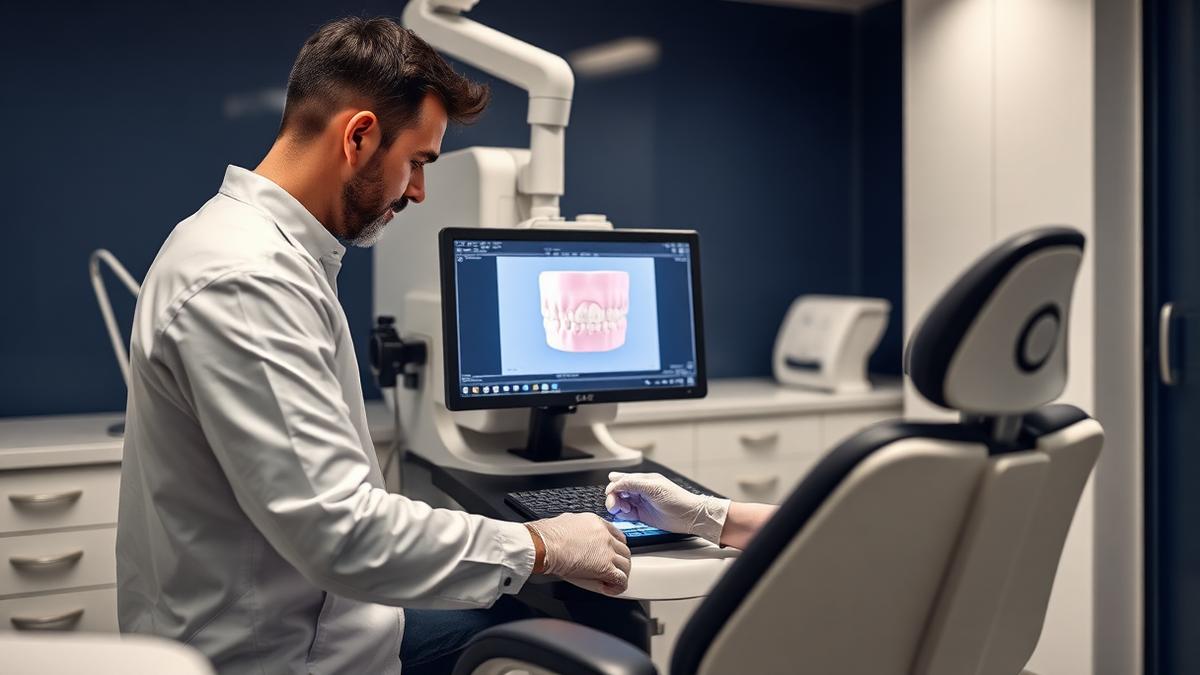
Same-day crowns rely on a digital scanner that captures a precise 3D image of the prepared tooth, replacing the need for a traditional putty impression. That digital file is used to design the crown on a computer, and an in-office milling machine carves it from a solid block of dental ceramic while you wait. Once milled, the crown is shaped, glazed, and cemented into place — all in one visit.
The entire process, from tooth preparation to final placement, typically takes place over a couple of hours rather than requiring a temporary crown and a second appointment weeks later.
The Advantages of Same-Day Crowns
The most obvious benefit is convenience. Patients avoid a second appointment, skip the awkward transition period with a temporary crown, and leave with a finished restoration the same day. Digital scanning also tends to be more comfortable than a traditional impression tray, which some patients find uncomfortable or triggers a gag reflex.
- One appointment instead of two
- No temporary crown to manage in the meantime
- Digital scans are generally more comfortable than physical impressions
- Precise, computer-guided fit reduces some sources of human error
- Fewer total numbing injections needed
The Limitations of Same-Day Crowns
Same-day crowns are milled from a single block of ceramic, which means the material options are somewhat more limited than what a dental lab can produce. Lab-fabricated crowns can be layered and hand-finished to closely match subtle color variations and translucency in adjacent teeth, which can matter for a highly visible front tooth.
Same-day crowns also aren't ideal for every clinical situation — for example, cases involving very complex bite adjustments, certain bridge work, or teeth where the milling material isn't strong enough for the bite forces involved. In those situations, a traditional lab-made crown, sometimes made of a different material like gold or a layered ceramic, may hold up better long term.
Same-Day vs. Traditional: A Side-by-Side Look
Both options are legitimate, durable restorations when used appropriately. The decision usually comes down to matching the right tool to the right tooth, rather than one option being universally better.
Durability and Longevity
When placed correctly and cared for well, both same-day and traditional crowns can last for many years. Longevity depends more on daily habits — avoiding chewing on hard objects, wearing a nightguard if you grind your teeth, and keeping up with routine checkups — than on which fabrication method was used.
Your dentist will also factor in the specific ceramic material used for a same-day crown, since strength and wear characteristics can vary between materials.
Cost Considerations
Costs for same-day and traditional crowns are often comparable, though this can vary by practice and by the complexity of your case. Rather than assuming one option is automatically cheaper, it's best to ask for a specific estimate during your consultation, since the price reflects the material, lab fees (if any), and the complexity of your particular tooth.
Who Is a Good Candidate for Same-Day Crowns?
Same-day crowns tend to work especially well for patients who need a straightforward restoration on a single tooth, want to avoid multiple appointments, or have a busy schedule that makes a second visit difficult. They're also a strong option for back teeth where an exact cosmetic color match matters less than a comfortable bite and strong fit.
Patients with more complex needs — extensive decay, multiple teeth needing crowns at once, or a highly visible front tooth requiring a nuanced shade match — may be better served by a traditional lab-made crown.
Deciding With Your Dentist
The best way to decide is a conversation with your dentist about your specific tooth, your priorities (speed versus a highly customized cosmetic match), and what technology is available at the practice. A good dentist will recommend whichever approach best serves the health and longevity of the tooth, not simply the option that's most convenient to offer.
If you're in Washington, DC and considering a crown, our team can evaluate your tooth and walk you through whether a same-day or traditional crown makes more sense for your situation. Call (202) 363-2810 to schedule a consultation.
Questions
Frequently asked questions
Talk it through with our team
Have a question this article did not answer? Our Washington, DC team is happy to help — call (202) 363-2810 or book online.
4444 Connecticut Ave NW #106, Washington, DC 20008