
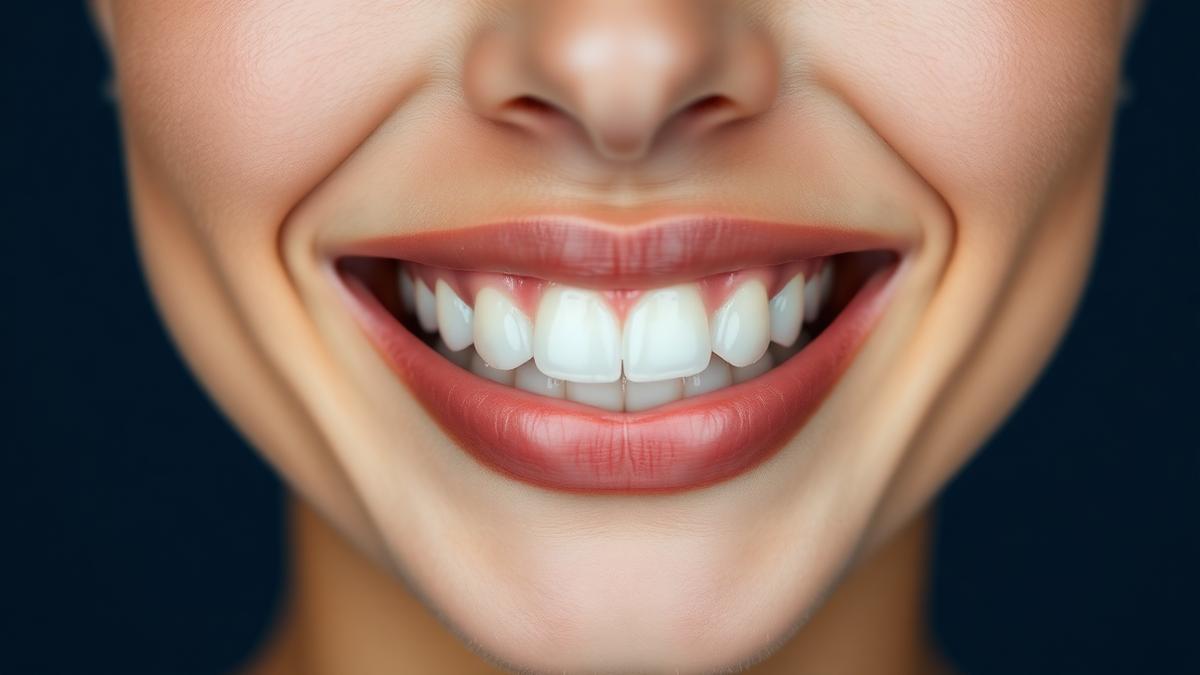
Cosmetic Dentistry
What Is Gum Contouring? Improving Your Gumline and Smile
Gum contouring reshapes the gumline to correct a gummy smile or uneven gums. Here's what the procedure involves, who it's for, and what to expect.
Gum contouring — also called gingival reshaping or gingivoplasty — is a procedure that reshapes the gumline to create a more balanced, proportionate smile. It's most often used to correct a "gummy smile," where more gum tissue shows than is typical when you smile, or to even out a gumline that dips or rises unevenly across the front teeth.
The procedure itself is usually quick, completed in a single office visit, and involves reshaping soft tissue rather than the teeth. It can be done on its own or combined with other cosmetic treatments as part of a broader smile makeover.
Below, we walk through what gum contouring treats, how the procedure works, who tends to be a good candidate, and what recovery typically looks like.
What Gum Contouring Treats
Gum contouring is typically considered for:
- Excessive gum tissue, often described as a "gummy smile," where the teeth appear short because too much gum covers them
- Uneven gumlines, where some teeth appear longer or shorter than others due to asymmetric gum coverage
- In select cases, minor gum recession, where reshaping can help protect exposed tooth roots or improve the appearance of the area
It's worth noting that a gummy smile can have more than one underlying cause — sometimes it's simply excess gum tissue, but in other cases the jaw or lip position plays a role. That's part of what a consultation is for: figuring out which factor is actually driving the appearance you'd like to change.
How the Procedure Works
The treatment area is numbed with local anesthesia first. The dentist then reshapes the gum tissue, either with traditional instruments or a soft-tissue laser. Laser contouring has become increasingly common because it tends to mean less bleeding, more precision, and a faster recovery compared with older techniques.
Most gum contouring procedures are completed in a single visit, and many patients describe the experience as more comfortable than they expected, largely because only soft tissue is being reshaped. In cases where the underlying bone level also needs to be adjusted — not just the gum tissue — a related procedure called crown lengthening may be recommended instead, since that involves a different technique.
Are You a Candidate?
Good candidates for gum contouring generally have:
- Healthy gums, free of active gum disease
- Excess or uneven gum tissue they would like addressed
- A desire to improve smile symmetry or reduce the appearance of a gummy smile
- Realistic expectations about what a soft-tissue procedure can and can't change
If gum disease is present, that generally needs to be treated first. Reshaping gum tissue that's actively inflamed or infected isn't advisable, and treating the underlying disease often changes the appearance of the gums on its own.
Recovery
Most patients return to normal daily activities within a day or two of gum contouring. Mild soreness or sensitivity around the treated area is common for about a week to ten days as the tissue heals. A few habits make recovery smoother:
- Stick to soft, cool foods for the first few days to avoid irritating the area
- Use a soft-bristled toothbrush and brush gently near the treated gums
- Avoid overly hot, spicy, or acidic foods until sensitivity settles
- Follow any specific aftercare instructions provided at your appointment
Benefits Beyond Appearance
Gum contouring isn't purely cosmetic. Reshaping excess gum tissue can make certain areas of the mouth easier to keep clean, since overlapping or excessive tissue can trap plaque along the gumline. For some patients, that translates into a lower risk of plaque buildup and gum irritation around the treated teeth over time.
Alternatives and Complementary Treatments
Gum contouring is frequently paired with other cosmetic treatments for a more complete smile transformation, including porcelain veneers, dental crowns, or teeth whitening. Combining treatments in the right sequence — for example, contouring the gums before finalizing veneer shapes — often produces a more proportionate result than treating each concern in isolation.
If gum recession is your primary concern rather than excess tissue, a different treatment approach is usually more appropriate. That distinction is worth discussing at a consultation before deciding on a path forward.
How DC Implant & Cosmetic Dentistry Can Help
Every gumline is different, and the right approach depends on how much tissue is involved, whether bone needs adjusting as well, and what your overall smile goals are. Book a consultation at our Washington, DC office to find out whether gum contouring is right for your smile, and how it might fit into a broader smile makeover plan.
Questions
Frequently asked questions
Talk it through with our team
Have a question this article did not answer? Our Washington, DC team is happy to help — call (202) 363-2810 or book online.
4444 Connecticut Ave NW #106, Washington, DC 20008