
Cosmetic Dentistry
What Is the 30-Minute Rule for Invisalign?
Waiting about 30 minutes after eating before reinserting your aligners gives saliva time to neutralize acids. Here's how the habit works and how it fits with the 20-22 hour wear target.
After you eat or drink anything other than water, your mouth becomes more acidic for a period of time. Putting clear aligners back in right away seals that acid — along with any leftover food particles and sugar — directly against your enamel. The "30-minute rule" is the habit of waiting roughly half an hour after eating, ideally brushing or at least rinsing first, before your trays go back in.
It's a small habit, but it matters because aligners are worn most of the day, every day, for months. A single rushed lunch won't cause a problem. The pattern of doing it repeatedly, meal after meal, over the course of treatment is what raises the risk of enamel damage and decay.
This guide covers what the 30-minute rule actually means in practice, why it matters for your teeth, and how to fit it around Invisalign's recommended wear schedule without feeling like your day revolves around a timer.
What the 30-Minute Rule Means
- Wait about 30 minutes after eating or drinking anything other than plain water before putting your aligners back in
- Rinse with water immediately after eating, and brush before reinserting when you have the chance
- The waiting period gives saliva time to wash away sugars and bring your mouth's pH back toward neutral
Saliva is the mouth's natural buffer against acid. It's constantly working to neutralize the effects of food and drink and to wash away debris. Sealing a tight-fitting tray over your teeth right after eating blocks saliva from doing that job in the area under the aligner, which is the entire reason the 30-minute guideline exists.
Why the Pause Matters for Your Teeth
Skipping the wait on a regular basis tends to show up in a few predictable ways over the course of treatment:
- Decay risk — sugars and acids stay held against the tooth surface under the tray instead of being cleared away
- Enamel wear — repeated, prolonged acid exposure gradually softens enamel
- Gum irritation — bacteria can multiply more readily in the sealed, moist space between the tray and the tooth
- Cloudy or stained trays — food residue and pigmented drinks discolor the aligner plastic, making it more visible when worn
None of these effects happen from an isolated instance. It's the cumulative pattern across weeks and months of aligner wear that determines whether it becomes a real issue.
How It Fits With the 20-22 Hour Wear Target
Clear aligner treatment works through gentle, continuous pressure, which is why most treatment plans call for 20 to 22 hours of wear per day. That leaves roughly two to four hours for meals, drinks, and cleaning — enough room to build in the 30-minute pause if you plan around defined eating windows rather than grazing throughout the day.
- Group snacks into a couple of set eating windows instead of spreading them across the day
- Carry a travel toothbrush and a small bottle of mouthwash so brushing after lunch away from home is realistic
- Drink plain water freely — it's the one thing that's fine to have with your trays in
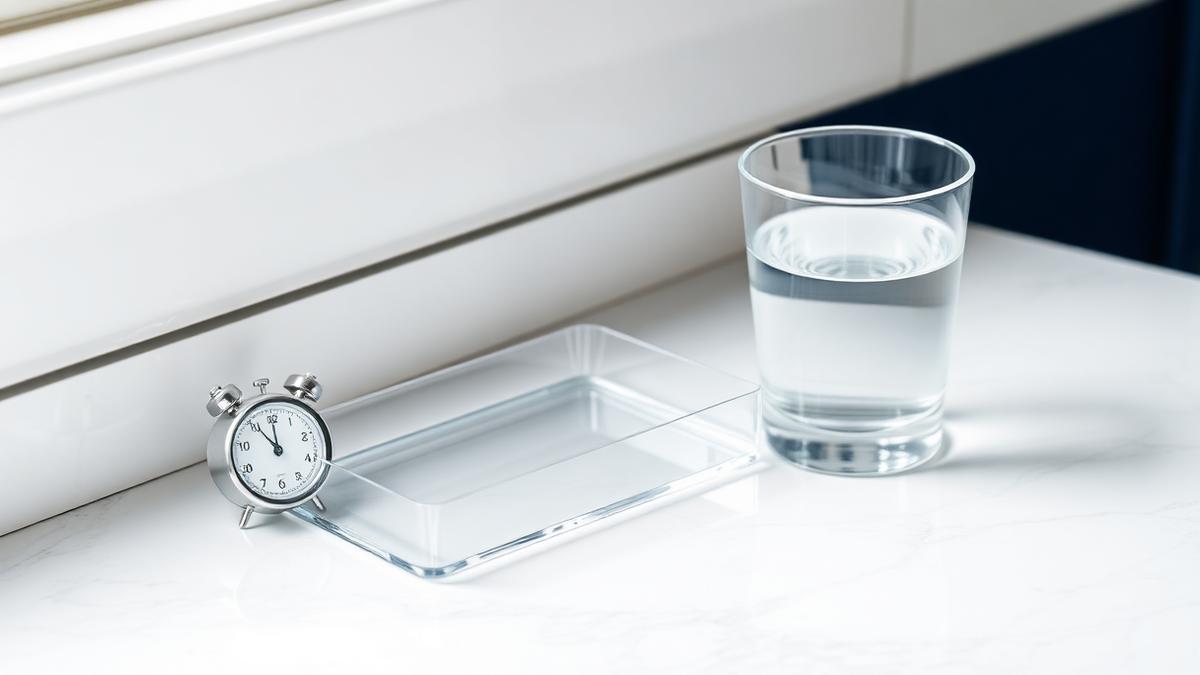
- Set a phone timer at the end of a meal until the 30-minute habit becomes automatic
Keeping Your Aligners Clean
Rinse your trays in cool water every time you take them out, and brush them gently with a soft brush rather than an abrasive one. Hot water can warp the plastic and affect the fit, and abrasive toothpaste can scratch the surface, making the aligners more visible and harder to keep clean. Store trays in their case rather than wrapped in a napkin — napkin-wrapped aligners are one of the most common ways a set gets thrown away by accident.
Staying On Schedule With Your Treatment
Consistency matters more for aligner treatment than almost any other factor. Falling behind on wear time — whether from forgetting the 30-minute rule, taking trays out too often, or losing a set — can extend your overall treatment timeline. If you notice your trays fitting loosely, feeling different from one week to the next, or you've fallen behind on hours, it's worth flagging that early rather than waiting until your next scheduled check-in.
Clear Aligner Treatment in Washington, DC
If you're considering clear aligners or want a second opinion on how your current treatment is progressing, our Connecticut Avenue office can help. Learn more about clear aligners, or book a consultation to see whether they're a good fit for your smile.
Questions
Frequently asked questions
Talk it through with our team
Have a question this article did not answer? Our Washington, DC team is happy to help — call (202) 363-2810 or book online.
4444 Connecticut Ave NW #106, Washington, DC 20008