
Preventive Care
What Are Xylitol Mints and What Are They Good For?
Xylitol mints are a sugar-free way to freshen breath while supporting oral health. Here is how xylitol works, when it helps most, and what it can't replace.
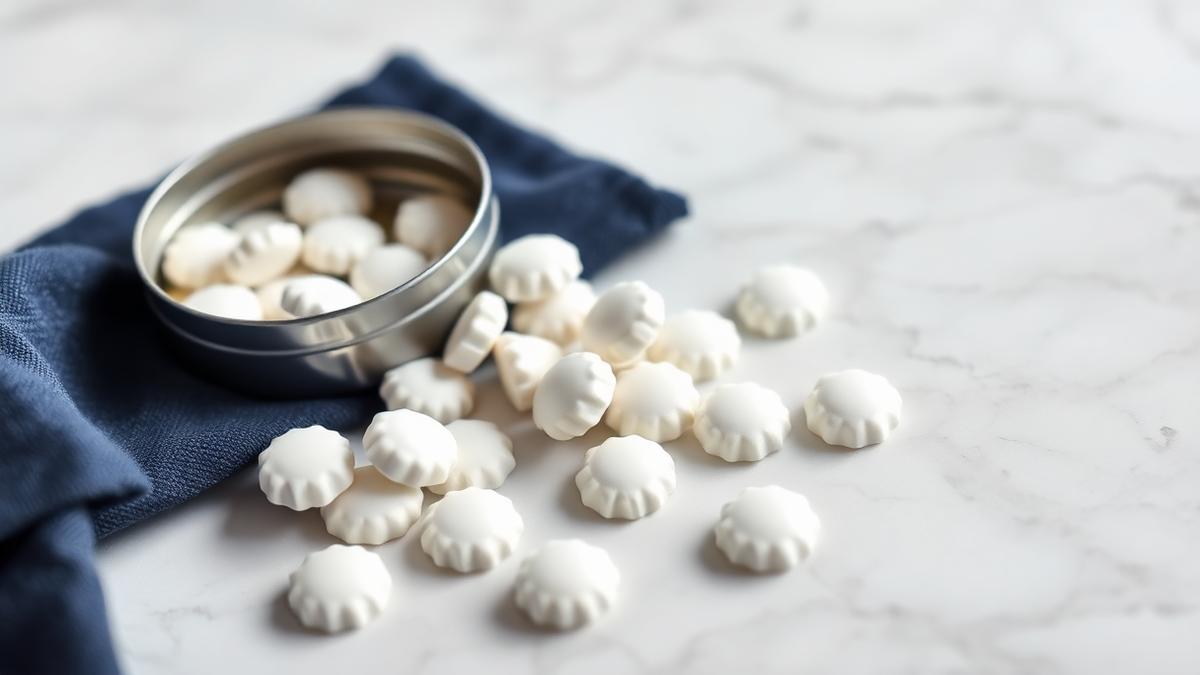
Xylitol mints are sugar-free mints sweetened with xylitol, a naturally occurring sugar alcohol found in fruits and hardwood trees. Unlike regular sugar, xylitol cannot be metabolized by the bacteria that cause tooth decay, which is why it shows up in gum, mints, and toothpaste marketed for oral health rather than just as a low-calorie sweetener.
Used consistently, xylitol mints can help freshen breath, support saliva flow, and make it harder for cavity-causing bacteria to thrive — but they work alongside brushing and flossing, not instead of them. Here is what xylitol actually does, when it's most useful, and where its limits are.
What Is Xylitol?
Xylitol is a natural sugar alcohol found in small amounts in many fruits and vegetables, and it is commonly produced commercially from birch or other hardwoods for use in food and oral care products. It looks and tastes similar to table sugar, with a similar sweetness, but it is processed differently by the body and contributes fewer calories.
The key difference from a dental standpoint is that oral bacteria — particularly *Streptococcus mutans*, one of the main species responsible for tooth decay — cannot break xylitol down the way they break down sugar. Instead of feeding those bacteria and fueling the acid production that erodes enamel, xylitol effectively starves them.
Why Xylitol Mints Come Up in Oral Health
Xylitol mints offer a convenient, portable way to get a small dose of xylitol at points during the day when brushing isn't practical — after a meal at work, for instance, or during travel. Chewing or sucking on a mint also stimulates saliva production, and saliva is one of the mouth's primary defenses: it washes away food debris, neutralizes acids, and helps keep bacteria in check.
Using a xylitol mint after meals, when the mouth is most acidic and you can't immediately brush, is a reasonable way to reduce that acid exposure in the interim. It is a helpful habit, not a required one, and it works best layered on top of a normal hygiene routine rather than replacing part of it.
Dental Benefits of Xylitol
- Limits food for decay-causing bacteria by depriving *Streptococcus mutans* of a sugar source it can use.
- Supports saliva production, which helps rinse away food particles and neutralize acid after eating.
- May help reduce plaque buildup over time when used consistently as part of an oral care routine.
- Offers a lower-calorie alternative to sugary mints and candies for people managing their sugar intake.
Xylitol for Dry Mouth Relief
For patients dealing with dry mouth — whether from medication side effects, a medical condition, or age-related changes — xylitol mints and lozenges can offer some relief by stimulating saliva flow and helping keep the mouth moist. This is worth mentioning to your dentist if dry mouth is a persistent issue, since it may factor into a broader plan that includes fluoride treatments or a prescription saliva substitute.
How to Use Xylitol Mints Effectively
- Use a xylitol mint after meals and snacks, particularly when you can't brush right away.
- Treat mints as a supplement to brushing and flossing, not a substitute for either.
- Choose products where xylitol is listed as a primary ingredient rather than an afterthought, for a more meaningful effect.
- Be consistent — occasional use has a smaller effect than making it a regular habit.
What Xylitol Mints Don't Do
Xylitol mints are a helpful addition to an oral care routine, but they don't remove plaque mechanically the way brushing does, and they won't reverse an existing cavity or treat gum disease. If you're dealing with ongoing sensitivity, visible decay, or gum inflammation, a mint is not a substitute for an exam — see your dentist so the underlying issue can be diagnosed and treated properly.
Caution: Keep Xylitol Away From Pets
Xylitol is safe for people in normal amounts but is toxic to dogs, even in small quantities, and can cause a dangerous drop in blood sugar or liver damage. If you keep xylitol mints, gum, or other xylitol-sweetened products at home, store them well out of reach of pets and check ingredient labels carefully, since xylitol appears in many everyday products beyond mints.
Ask Us About Your Oral Care Routine
Whether xylitol mints make sense for you depends on your specific risk factors, including dry mouth, cavity history, and daily habits. At your next cleaning, ask us what we'd recommend for your routine, and schedule a visit with our Washington, DC team if it's been a while since your last checkup.
Questions
Frequently asked questions
Talk it through with our team
Have a question this article did not answer? Our Washington, DC team is happy to help — call (202) 363-2810 or book online.
4444 Connecticut Ave NW #106, Washington, DC 20008